Winter Burrow [2, *] Руководства
- Tools That Gate the Woods: Axe, Pickaxe, and Shovel Tiers
- Accessibility and Comfort Settings That Save Your Run
- Where to Go Next: Zones, Shortcuts, and Hazards
- Inventory and Resource Economy Tips
- Survive the Cold: Managing Warmth, Hunger, Stamina, and Breath
- Dress Like You Mean It: Clothing and Knitting Progression
- Follow the Threads: Questlines That Actually Move the Story (and Your Gear)
- Cook Smart, Wander Far: From Roasts to Pies
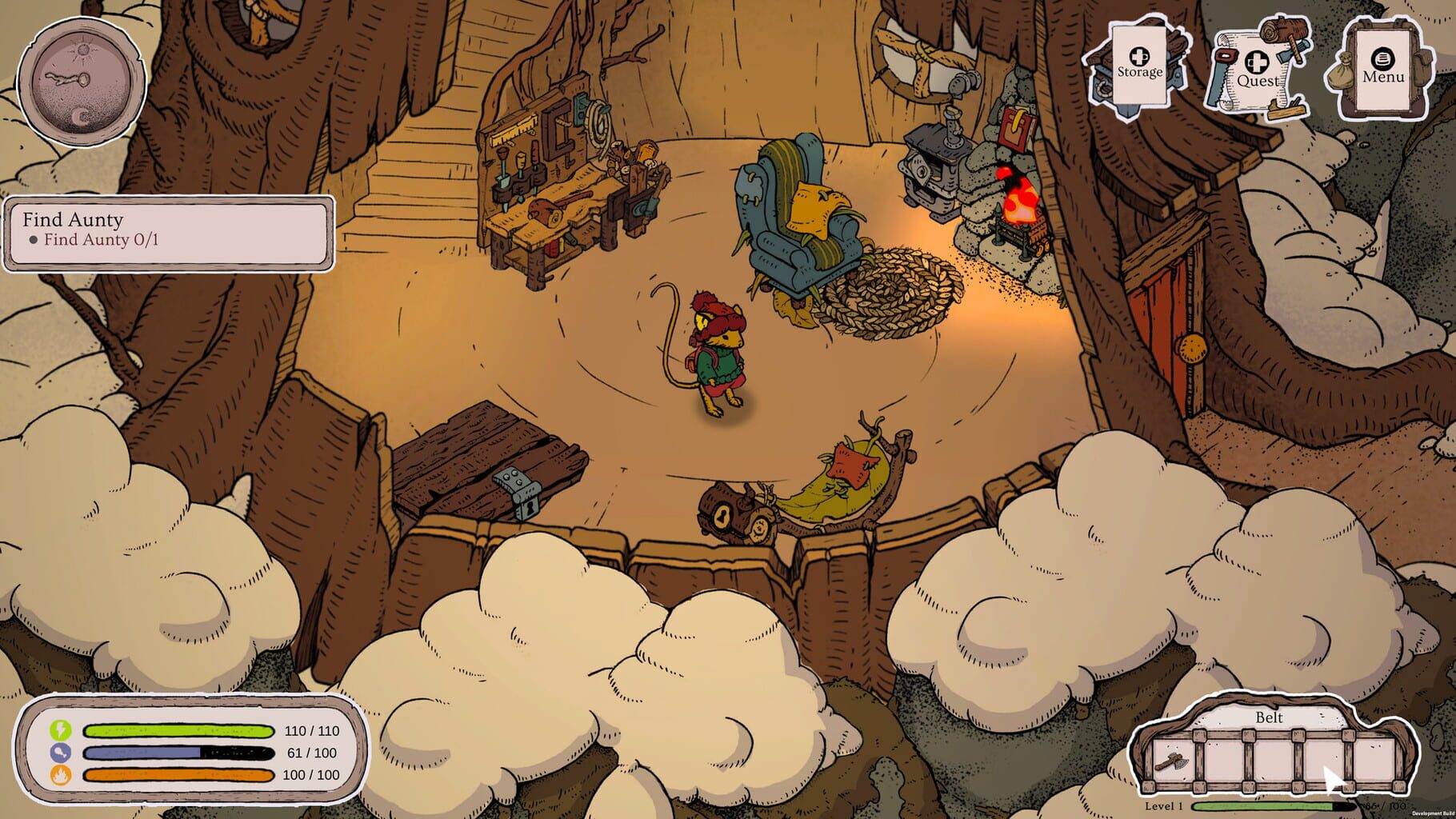
- Home, Sweet Burrow: Furniture That Actually Matters
- Achievement Hunting Route (Fast and Painless-ish)

Tools That Gate the Woods: Axe, Pickaxe, and Shovel Tiers
[2, *] РазблокируемыйYour map opens as your tools improve. Think in tiers and who unlocks them.
- Early game: Basic axe = twigs, flax, light branches. You’ll bounce off stone and hard woods.
- First leap: Aunty’s early tasks lead to better stone/sandstone recipes. You’ll start cracking soft rock and new nodes.
- Bufo’s big upgrades: Complete his pie errands to snag granite and flint recipes—massive durability spike and access to better ores.
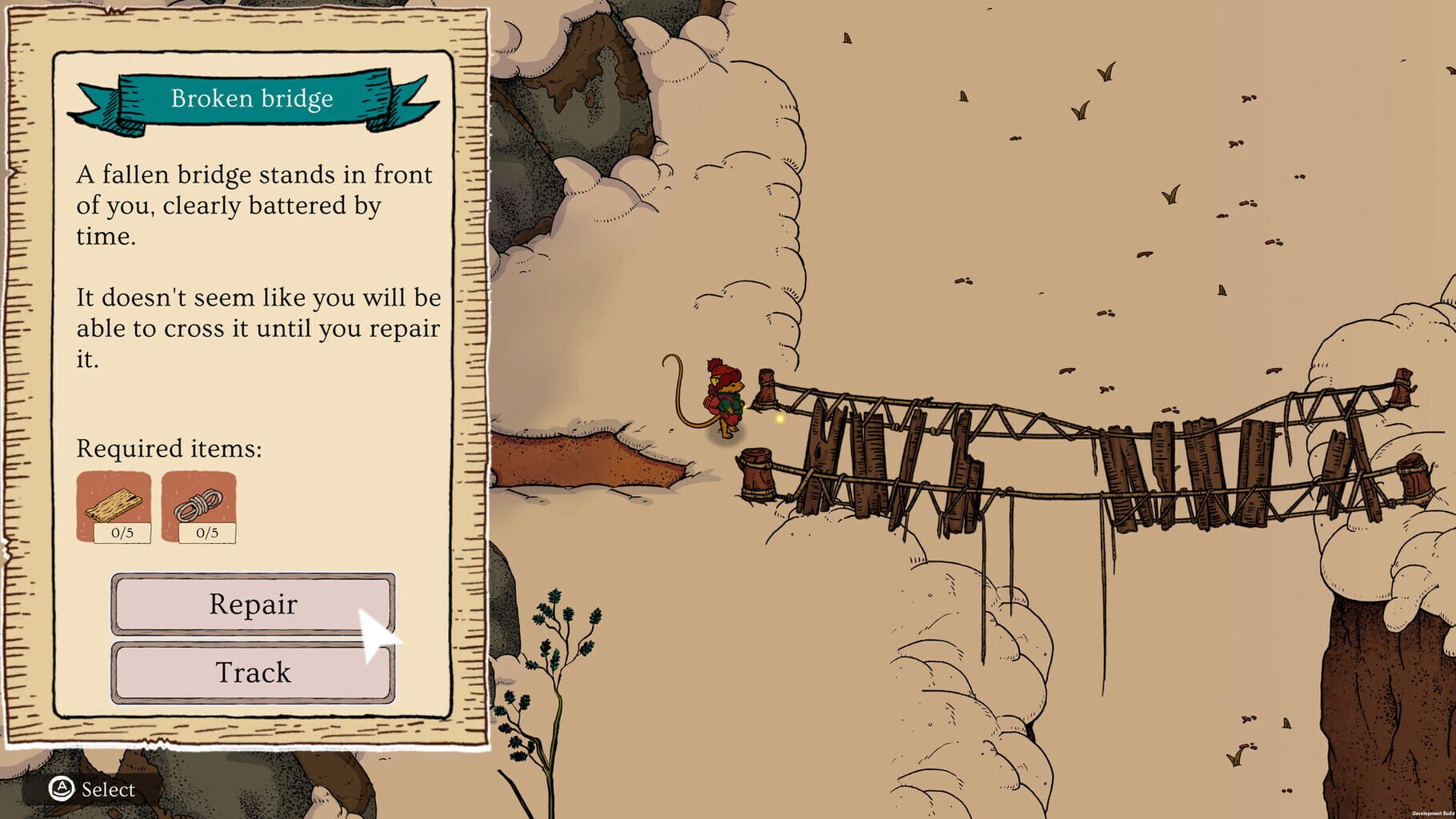
- The shovel: Not just dirt duty—it’s combat and path-making. Some questlines won’t move without shovel upgrades.
Rule of thumb: If you’re stuck, you’re missing a recipe. Check in with NPCs before grinding more basics.
Accessibility and Comfort Settings That Save Your Run
ПодсказкиSmall toggles, big sanity.
- Arachnophobia mode: Completely disables spider visuals/encounters without blocking progress.
- Unstick button: If foliage traps you, use it instead of reloading.
- Quest pinning: Track multiple threads to avoid wandering aimlessly.
- Controller-first feel: On PC, it plays nicest with a pad, though mouse/keyboard works fine.
Where to Go Next: Zones, Shortcuts, and Hazards
ПодсказкиIf the world feels maze-y, it’s because progression is baked into the land.
- Burrow outskirts: Safe starter loop—twigs, pebbles, flax, and common berries. Learn your routes here.
- Gnarled Oaks: First big zone. Find Bufo, gather diverse berries and wood, and practice reading terrain lines through roots and leaf trails.
- Shadow Pines: Mid-game with ants and silk spiders. Requires better tools; harvest webs for silk if you’re fighting. Or toggle spiders off in settings.
- White Pillars: Late-game. Harsh exposure and story beats tied to Moss/Pinesap. Go in fully geared with warm clothing and the lantern.
Weather rules the map: storms and nights shorten runs dramatically. If it’s ugly out, pivot to burrow tasks.
Inventory and Resource Economy Tips
ПодсказкиTreat the forest like a pantry you restock on schedule.
- Never trash twigs: They’re used in everything—tools, furniture, rope. Always be picking.
- Pebbles: Easy to overlook, essential for tool heads and repairs. Scoop them whenever you spot them.
- Flax → yarn → clothing: Your knitting supply chain. Don’t blow all flax on decor before upgrading clothes.
- Beech wood: Mostly for furniture—process at the crafting table into planks.
- Graphite: Scarce and progression-gated. Push tool quests to reach richer nodes; don’t waste it on low-impact crafts.
- Fur tuff vs. snow fur tuff: Similar names, different uses. Keep separate stacks for quest needs.
Survive the Cold: Managing Warmth, Hunger, Stamina, and Breath
[2, *] РуководстваWinter Burrow looks cozy, but the meters keep you honest. Treat them like your daily checklist, and you'll stop face-planting in the snow 20 steps from home.
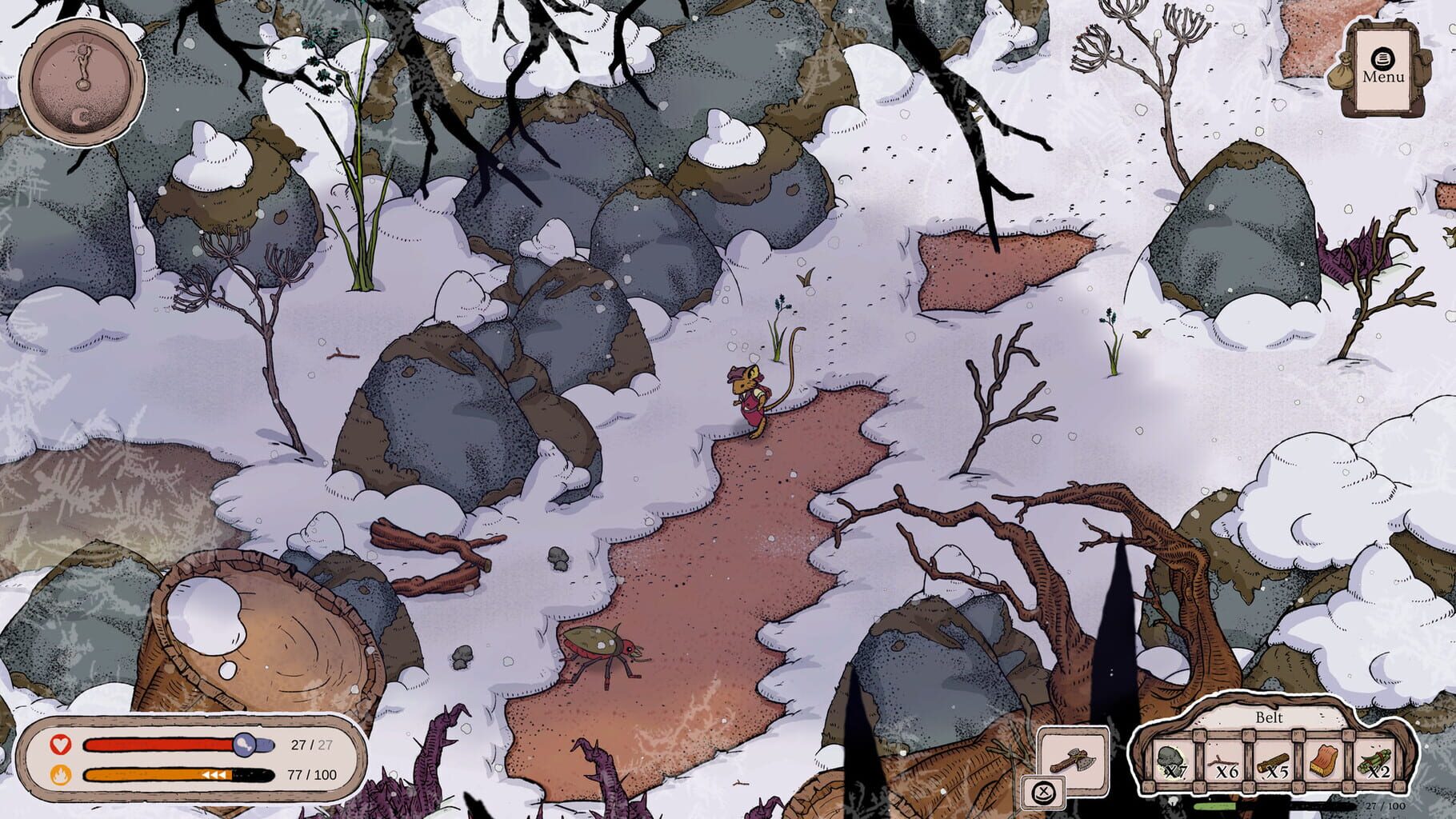
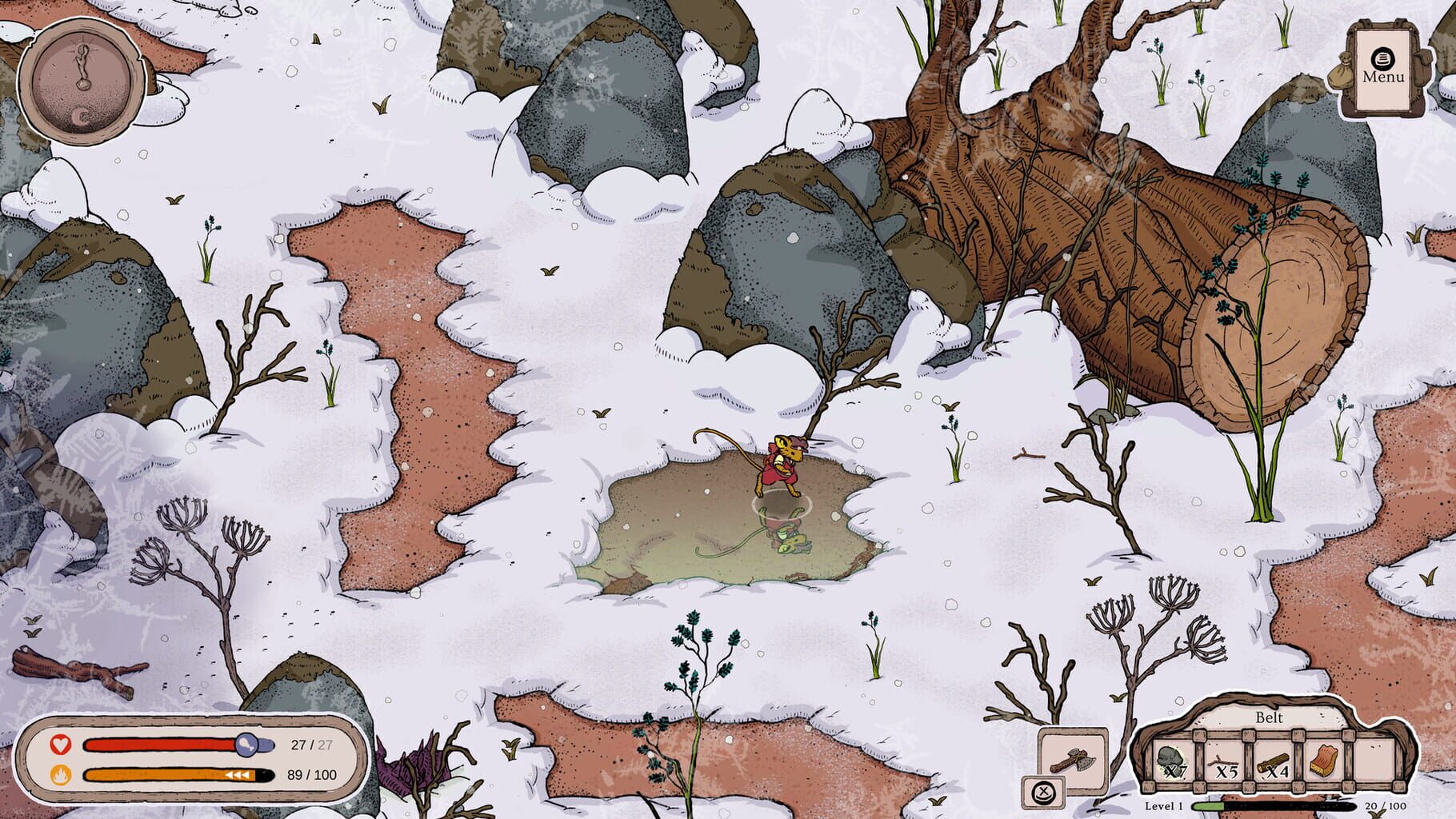
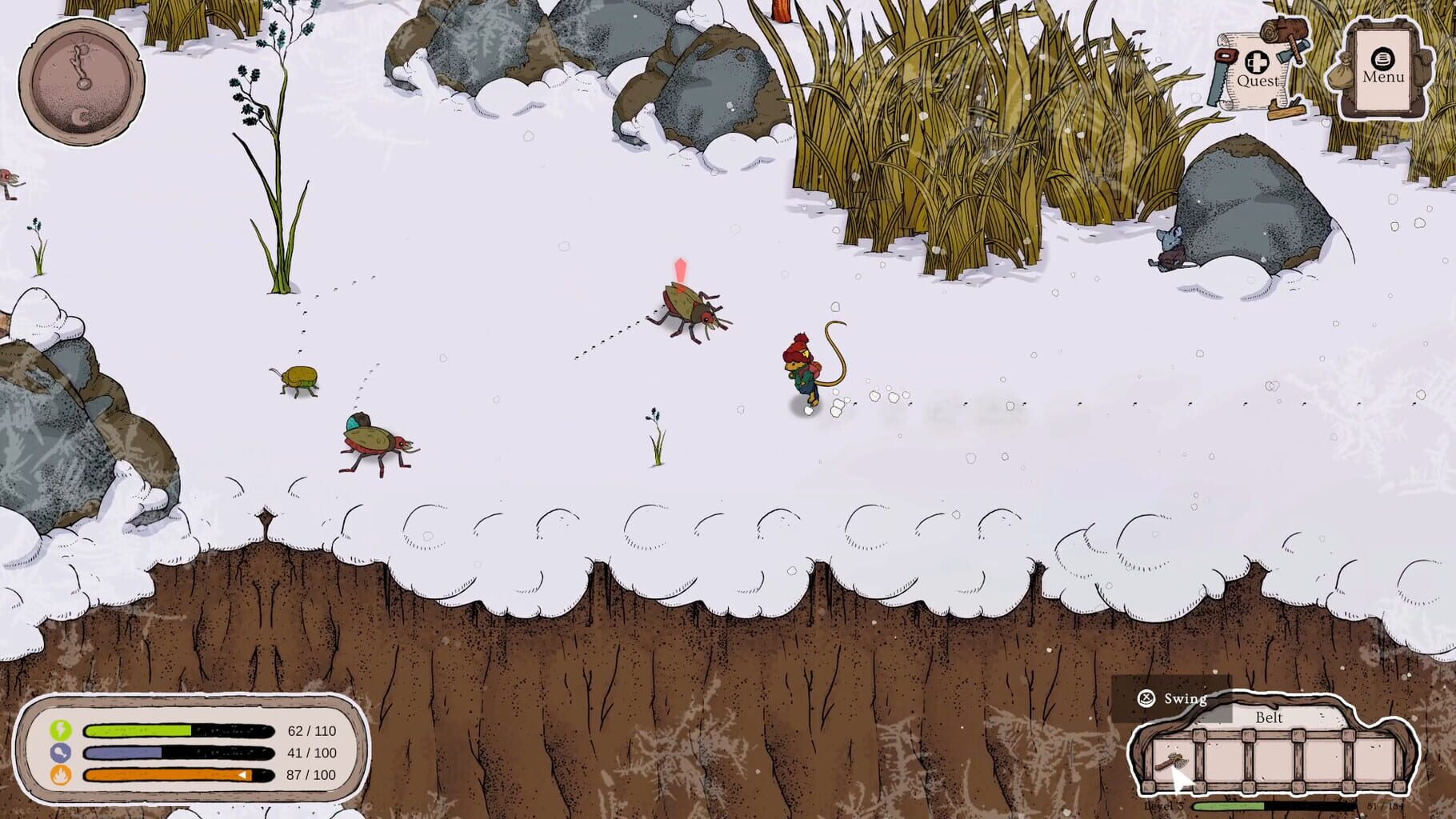
- Warmth: Your most demanding meter. Explore in daylight and fair weather; nights and storms drain warmth fast no matter your outfit. Plan loops that pass by heat sources or your burrow.
- Stamina: Sprinting, gathering, and crafting chew through it. Don’t hit zero—movement tanks hard. Short bursts > marathon runs.
- Hunger: Slow drain, but it quietly makes you colder and chips away at health if you neglect it. Keep simple snacks on hand to extend trips.
- Breath: Pops up for underwater bits and some tool use. It refills quickly—dip out instead of panicking.
Quick rhythm: day trips for foraging, dusk returns for crafting/cooking, nights for knitting, sorting, and quest planning.
Dress Like You Mean It: Clothing and Knitting Progression
[2, *] РуководстваWarmth is gear-gated, and gear comes from knitting. If you ignore the armchair, the forest will humble you.
- Start light, upgrade fast: Early clothes barely help. Craft a linen coat from flax → yarn to survive short runs beyond home.
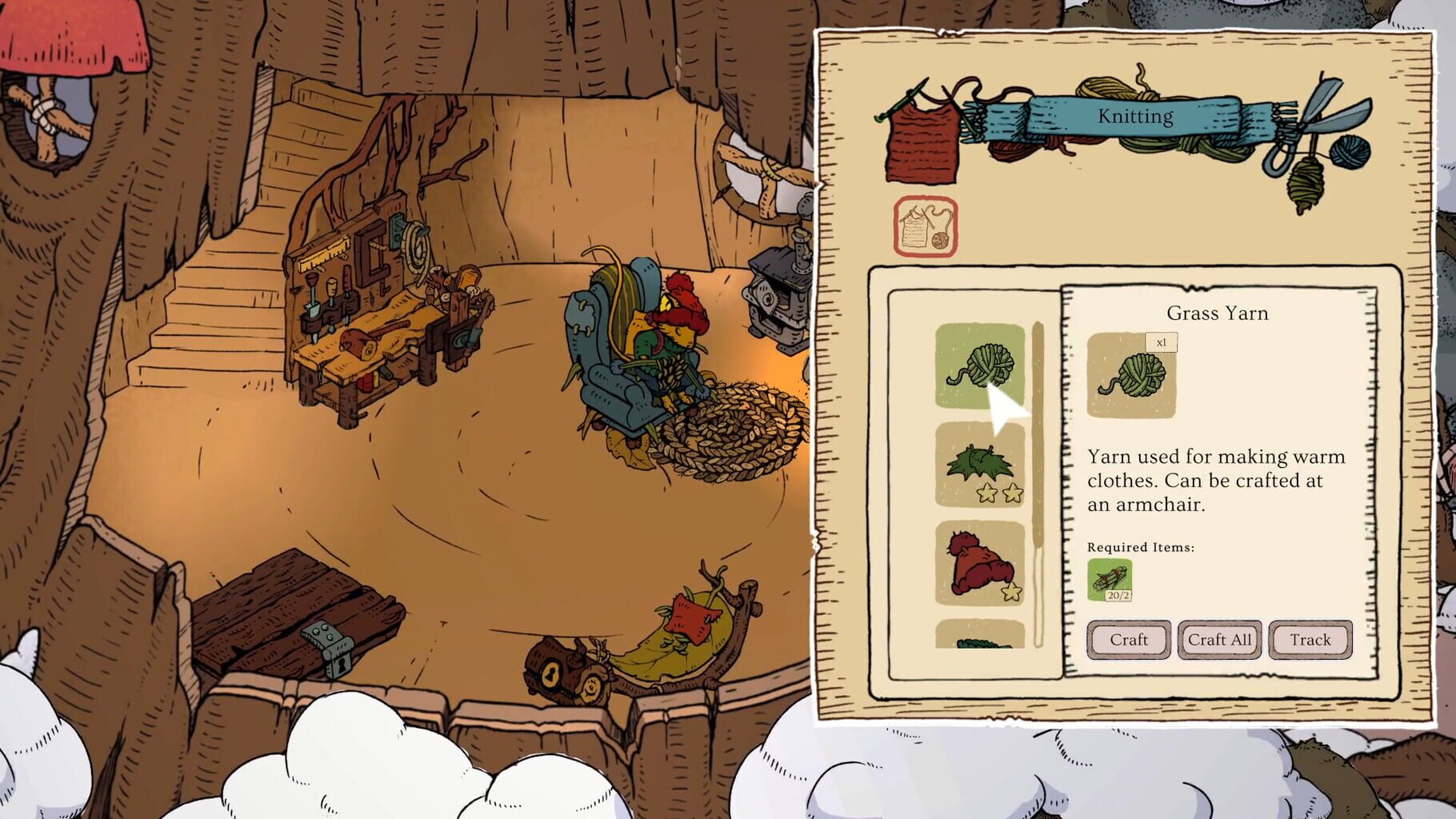
- Knitting workflow: Gather flax and fur tufts, spin into yarn at the armchair, then craft pieces. It’s a two-step system—budget fibers accordingly.
- Tier jumps matter: Mid-game wool pieces feel like a new lease on life; late-game winter sets can add 20–30 cold resistance. That’s the difference between tiptoeing out and real exploration.
- Unlock recipes via quests: You won’t “level” new outfits—you’ll learn them from characters, then craft.
Pro tip: Make one extra warm piece early. The time you spend knitting gets paid back every longer expedition.
Follow the Threads: Questlines That Actually Move the Story (and Your Gear)
[2, *] РуководстваEvery character pushes you forward in a different way. Here’s what to prioritize and why:
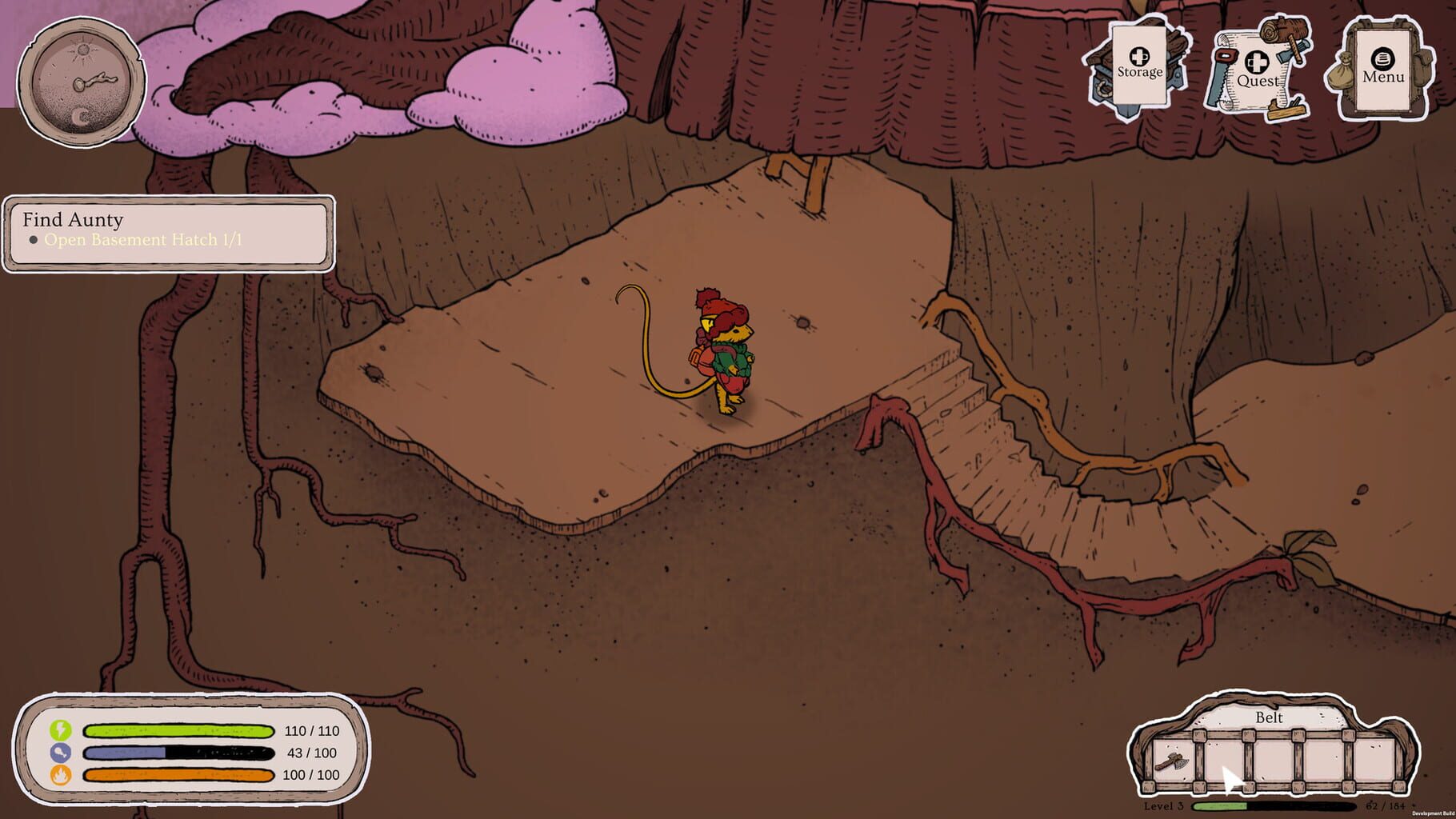
- Aunty: Home repairs, first crafting lessons, basement planters, and early progression beats. Emotional anchor of the story.
- Bufo: The merchant frog. Bake him specific pies to earn key tool recipes and quest items. Unlocks Pollywog’s thread.
- Gnawtusk: Squirrel with buried stashes. Dig up his marked spots for consumables and materials. Finishing his line gets you the lantern—huge for caves/dark spots.
- Moss: Investigation arc around Pinesap. Needs snow fur tuff, then a heavy key found with lantern help. Ends in late-game territory.
- Willow: Mole historian. Artifact hunts that scale with your tool tiers. Mentions the spider toggle if that’s not your thing.
- Pollywog: Ties off Bufo’s family storyline. Short but sweet.
Keep invitations handy—Aunty’s grand dinner is the finale that pulls everyone together when you’ve earned their trust.
Cook Smart, Wander Far: From Roasts to Pies
[2, *] РуководстваFood is more than hunger insurance—it’s time on the road.
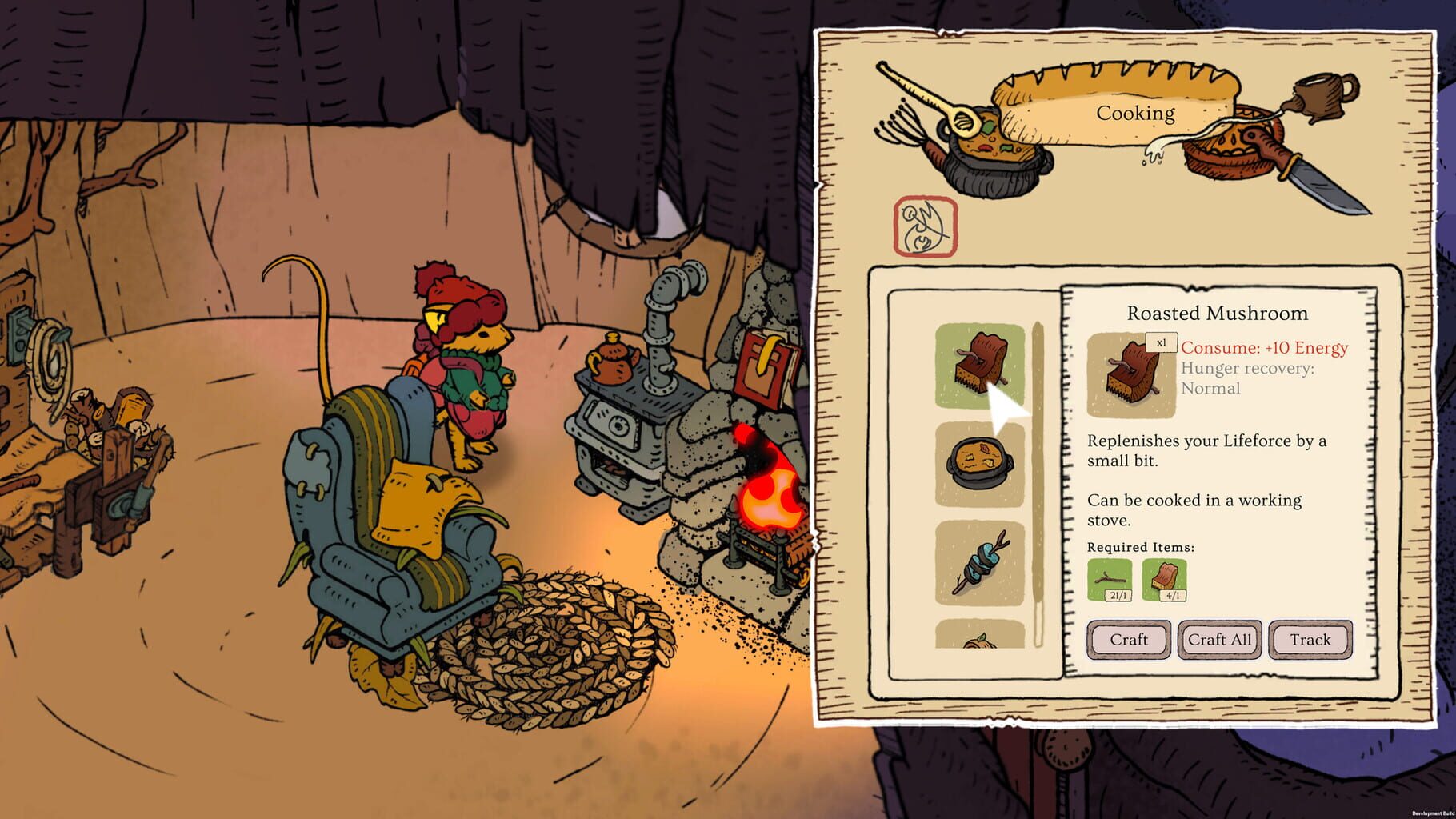
- Roasted basics: One fire, one ingredient. Think roasted mushrooms or ant meat for quick health/hunger, minimal prep.
- Baking tier: Fix the stove to unlock biscuits and better staples. Nuts (acorns, beechnuts, hazelnuts) become your bread and butter.
- Jams: Precise combos. Forest jam = 5 elderberries + 5 blackberries. Wild jam = 5 blueberries + 5 rowanberries. Plan multi-zone berry runs.
- Pies: The good stuff. Example: Blackberry pie (2 beechnut biscuits + forest jam + blackberries) grants big hunger, warmth, and stamina/speed buffs for hours.
- Teas: Light, cheap buffs. Black tea (2 blackberries) gives a little warmth and stamina for quick errands.
Pack 1–2 high-value meals for longer routes, then fill gaps with roasted snacks.
Home, Sweet Burrow: Furniture That Actually Matters
[2, *] РуководстваDecor is cute; function is king. Build the pieces that pay dividends first.
- Cupboards: Extra storage. The sooner you craft them, the less back-and-forth you’ll suffer.
- Planters (basement): Aunty’s upgrade that lets you farm mushrooms. Stops the constant forage treadmill.
- Beds: Crafting one nets you an early achievement and gives a reliable rest station for health and stamina.
- Blueprints through NPCs: Bufo’s pebble furniture adds new options; other characters unlock more sets over time.
Make duplicates when materials are plentiful—some achievements reward volume crafting.
Achievement Hunting Route (Fast and Painless-ish)
[2, *] РуководстваYou can 100% without turning the game into a spreadsheet—plan a couple of grinds.
- Story clears: Most unlocks pop naturally as you finish Aunty/Moss/Bufo/Gnawtusk/Willow lines and attend the dinner.
- Protector of Dreams: Craft/place a bed early. Free score and better rest.
- Yearning for Yarn: Spin 50 yarn at the armchair. Farm flax in loops, process nightly.
- Tool trifecta: Craft each axe/pick/shovel tier at least once. Granite tools have huge durability—worth the materials.
- Culinary Completionist (100 recipes): Count everything—roasts, biscuits, jams, pies, teas. Batch-cook by category to keep track.
Expect ~8–10 hours for the story, with extra time for recipe and craft achievements.
Скриншоты