Subroutine Cheaty
No Cheat Codes? Smart Workarounds for Subroutine
CheatyLooking for Subroutine cheats? As of now, there aren’t any confirmed cheat codes, console commands, or trainer support for the Subroutine demo on itch.io. If you’re struggling with the anomaly detection, try these legit, quality-of-life workarounds that make runs easier without breaking the game:
- Slow down and standardize your approach. Treat each inspection like a checklist so your brain catches differences more consistently.
- Use better visibility. Play in a well-lit room, switch to windowed mode if it helps, and consider system-level accessibility tools (like magnifier or high-contrast filters) for subtle visual details.
- Take quick notes. Jot down key identifiers or oddities so you can compare later runs.
- Record your session. Rewatching short clips can help you spot micro-anomalies you missed live.
- Replay for pattern recognition. The more you’ve seen, the faster you’ll recognize when something’s off.
If proper Subroutine cheat codes ever drop, we’ll update this page. For now, these strategies are the safest way to “cheese” the difficulty a bit.
What Can You Unlock in the Subroutine Demo?
UnlockablesWondering how to unlock stuff in Subroutine? The current itch.io demo by Cosca Interactive is short (about 15 minutes) and focused on core mechanics. There aren’t any confirmed permanent unlocks, achievements, or alternate modes tied to demo progression yet.
What you do “unlock” is your own mastery:
- Faster anomaly detection through repetition and pattern recognition
- A personal checklist of cues that reliably signal something’s off
- Confidence in your calls so you flag suspicious robots without second-guessing
If the full release adds achievements, modes, or cosmetic unlocks, we’ll list how to unlock them in Subroutine right here.
Easter Egg Hunting in Subroutine
Easter EggsSearching for Subroutine Easter eggs? None are confirmed in the current demo yet, but if you love the hunt, try these smart spots and methods:
- Title screen and idle moments. Let the game sit for a minute—some devs hide idle screen surprises or subtle audio cues.
- Labels, stickers, and signage. Inspect tiny text around workbenches, crates, or terminals; dev names and sci-fi references often hide here.
- Pattern-breaking props. If something looks just slightly “off-brand,” it might be a nod to classic robot or AI lore.
- Revisit with headphones. Low-volume whispers, beeps, or reversed audio motifs sometimes hint at secrets.
- Community coordination. Share screenshots and timestamps. Many Easter eggs only click once multiple players compare notes.
If players confirm a specific hidden reference or gag, we’ll add the exact steps and location here with screenshots.
Known Issues and Quick Fixes for the Demo
UsterkiLooking for Subroutine glitches? There aren’t any widely documented, repeatable bugs for the itch.io demo yet, but you might still hit typical early-build hiccups—stuck menus, input not responding, or visual oddities. Try these general fixes:
- Restart the run or relaunch the game. Most minor state issues clear on a clean boot.
- Switch to windowed mode. Helps with alt-tabbing or multi-monitor input problems.
- Redownload the demo. Corrupted files happen—fresh installs solve a surprising number of issues.
- Update GPU drivers and disable overlays. Outdated drivers and overlays (recorders, performance meters) cause flicker and capture errors.
- Check peripherals. Unplug extra controllers or HID devices that might mess with input focus.
Found a real, repeatable bug? Send the developer a short report with steps to reproduce, OS/GPU specs, and a clip if possible. It speeds up fixes for everyone.
Beginner Tips to Spot Killer Robots Fast
WskazówkiNeed practical Subroutine tips? Here’s a clean, repeatable process to catch anomalies without panicking:
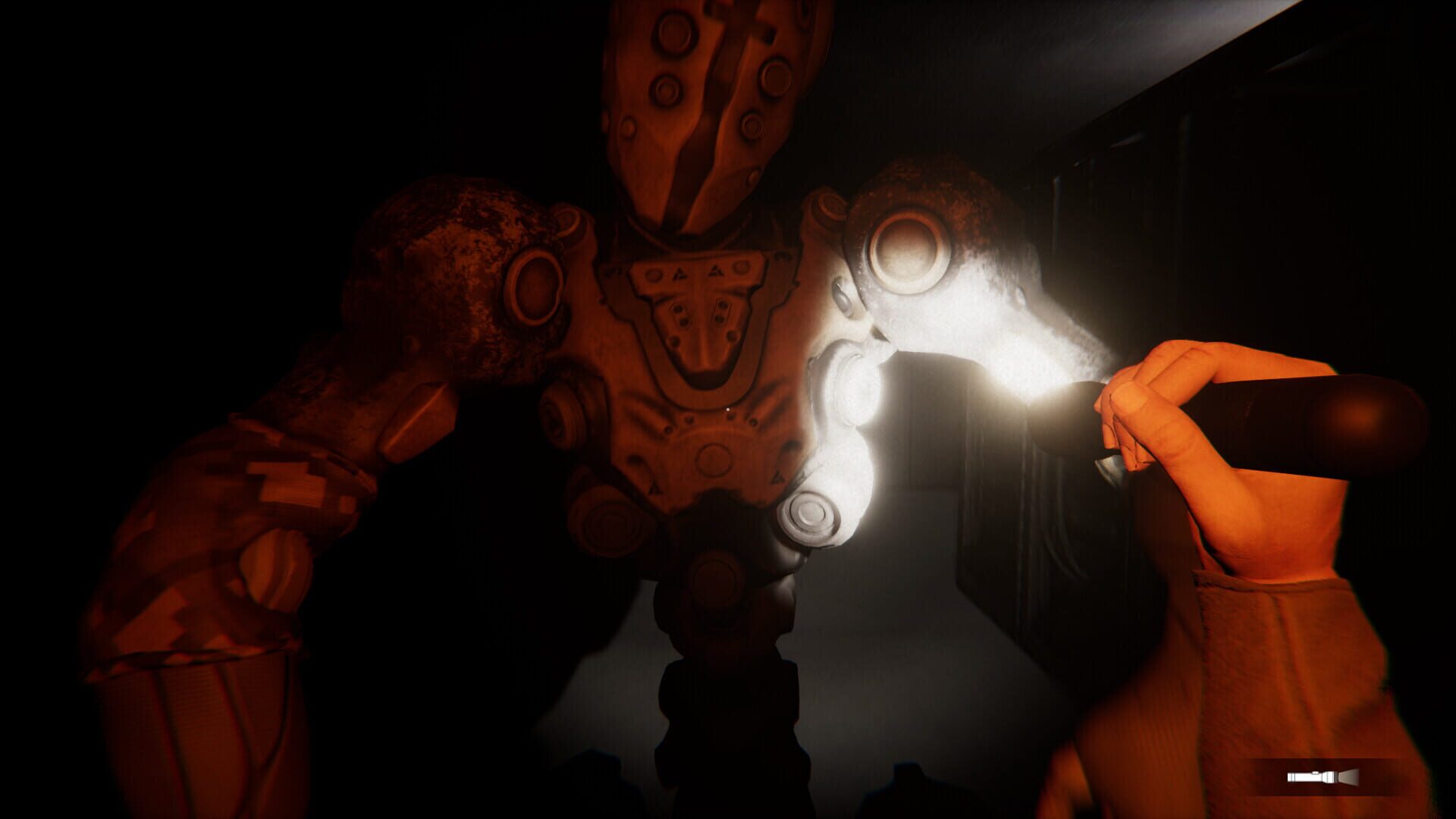
- Establish a baseline first. Before judging anything, study a “normal” model: shape, joints, panel seams, lights, gait, serial formatting, and any status readouts. Baselines make anomalies pop.
- Scan top-to-bottom, left-to-right. Consistent scanning reduces missed details. Look for mismatched textures, extra/missing parts, off-angle panels, or weird reflections.
- Check identifiers. Serial numbers, labels, and timestamps should follow clear patterns. Typos, swapped characters, or inconsistent dates are classic red flags.
- Watch micro-behaviors. Hesitation in movement, loops that reset awkwardly, eyes/sensors that don’t track correctly, or desynced audio can signal trouble.
- Compare related details. If the model reads as “Type A, Rev 2,” do visible components match a Rev 2? Conflicts are suspicious.
- Avoid tunnel vision. After you think you’ve found “the anomaly,” force one more quick pass. Secondary anomalies are often subtler.
- Note and move. If you’re unsure, write down the oddity and continue scanning. Fresh eyes at the end catch more than endless staring.
These tips for Subroutine keep your head clear and your calls accurate—especially during those tense final seconds.
First-Shift Walkthrough: A Reliable Inspection Routine
PrzewodnikiWant a simple Subroutine walkthrough to nail your first shift? Here’s a clear, step-by-step inspection flow that balances speed and accuracy:
- Prep for clarity
- Set comfortable brightness and volume. You want crisp silhouettes and audible micro-cues.
- Keep a notepad open. Write down baseline traits and any oddities with quick shorthand.
- Baseline pass
- Spend 20–30 seconds observing a “normal” unit (shape, joints, lights, serial format, motion cadence).
- Note the serial pattern, typical panel seams, and expected sensor behaviors.
- Visual integrity check
- Scan from head to feet: missing screws, off-angle armor, asymmetrical limbs, strange welds, or discoloration.
- Look for duplicated parts or elements that don’t exist on the baseline model.
- Data consistency check
- Read any visible identifiers: serials, batch numbers, revisions, timestamps.
- Verify they’re formatted exactly like your baseline. One digit or delimiter out of place is suspicious.
- Behavioral pass
- Watch for stutters, loops that reset mid-gesture, desynced lights-to-motion timing, or sensors that don’t track logically.
- Listen for clicks, whirs, or beeps that fire at the wrong moments.
- Corroborate and decide
- If you have two or more independent signals (e.g., serial anomaly + motion oddity), lean toward flagging.
- If only one weak signal appears, take one more quick scan to confirm or clear it.
- Post-run notes
- Log what fooled you and what was obvious. This becomes your personalized cheat sheet for future runs.
Use this Subroutine guide as your base routine, then trim or expand steps as you get faster. Consistency beats guesswork—especially when a “killer robot” slips in subtle tells.
Zrzuty ekranu