CrossCode Indices
- CrossCodeCheats Mod for PC
- WeMod Trainer for CrossCode
- Cheat Engine Tables for Drops and Money
- Sergey Hax and New Game+ Modifiers
- How to Unlock New Game+ and Arena Cups
- How to Upgrade Lunatic Paws
- Unlocking the Legendary Secret Weapon
- Unlocking the Test and Glitch Area
- Vermillion Dungeon Developer Room and Secret Areas
- Cross-Media References and Joke Enemies
- Glitch-Themed Easter Eggs and Meta Quests
- Known Bugs and Community Bug Reporting
- Intentional Glitches vs Real Bugs
- Combat Basics: Melee, Ranged Shots, and Combo Flow
- Elemental Forms and Skill Linking Tips
- Exploration Tips for Hidden Chests and Secret Routes
- Gear, Materials, and Smart Spending
- Dungeon Puzzle Clues and Visual Hints
- It’s Not a Bug, It’s a Feature Quest Walkthrough Tips
- Level 1 Lea Challenge in A New Home DLC
- Trophy and 100% Completion Planning
- Any% Routing Toward Vermillion Dungeon
- Secret Weapon Quest and Tremoire Family Core
CrossCodeCheats Mod for PC
CheatsIf you’re searching for CrossCode cheats on PC, the CrossCodeCheats mod is one of the cleaner community-made options because it works through CCLoader, CrossCode’s mod loader.
Once installed, the mod adds an in-game cheat configuration menu from the pause screen, so you can toggle options without digging through files every time. That’s much nicer than repeatedly editing scripts or restarting the game.
To install it the usual way:
CrossCode/assets/modsThere’s also a more direct script-injection method where the cheat script is appended to CrossCode’s compiled JavaScript file, but honestly, that’s the riskier route. Using CCLoader keeps the mod easier to disable, update, or remove if something breaks.
A few smart precautions:
Because this is an unofficial mod, it’s not developer-supported. Use it for offline fun, accessibility, experimenting with builds, or cutting down grind, but don’t assume every update or save file will behave perfectly.
WeMod Trainer for CrossCode
CheatsAnother popular option for players looking up CrossCode trainer cheats is WeMod. It’s a PC trainer platform that lets you search for CrossCode, launch the trainer, and activate available cheats through hotkeys or the WeMod interface.
WeMod support is listed for PC versions such as:
The exact cheat options can change depending on the trainer version and game build, so always check the WeMod client itself before relying on a specific feature. Trainers for action RPGs like CrossCode usually focus on making progression smoother, such as reducing grind or making combat less punishing, but the available toggles are determined by the current trainer.
Why use it?
Just keep in mind that external trainers can behave unpredictably after game updates. If CrossCode patches or your trainer version is outdated, cheats may fail or affect the wrong values. Back up your save before experimenting.
Cheat Engine Tables for Drops and Money
CheatsFor players who want more hands-on CrossCode Cheat Engine cheats, community tables have been made for PC versions of the game. One known table for CrossCode version 1.0 includes resource-focused options such as:
Those two cheats are a big deal in CrossCode because the game leans heavily on materials, traders, and equipment upgrades. Normally, better drops are tied to combat rank, so you’re rewarded for fighting well and keeping your chain going. A 100% drop rate bypasses that pressure and makes farming rare materials much faster.
The 10x money gain option helps with another common pain point: credits. Strong gear and consumables can get expensive, especially when you’re experimenting with different builds or trying to prepare for arena cups and late-game bosses.
Basic Cheat Engine workflow usually looks like this:
Compatibility matters. Cheat Engine tables are often version-specific, and using an outdated table can cause crashes, broken values, or worse, save issues. When in doubt, back up your save and use the table only on the game version it was built for.
Sergey Hax and New Game+ Modifiers
CheatsCrossCode actually has its own official “cheat-like” system: New Game+ modifiers, often called Sergey Hax by players. Unlike trainers or mods, these are built into the game and become available through progression.
New Game+ was added in version 1.2 and is tied to trophy points. In other words, you don’t just start the game with every modifier unlocked. You earn access by playing, clearing challenges, and building up your account-style progress.
Sergey Hax fits CrossCode perfectly because Sergey is already tied to the game’s in-universe systems and technical weirdness. The modifiers let you change the experience in ways that feel like official difficulty tuning rather than sketchy memory editing.
Depending on what you enable, New Game+ can be used to:
Achievement hunters usually ask the same question: Do Sergey Hax modifiers disable achievements in CrossCode? Community experience generally points to achievements still being obtainable, but if you’re chasing 100%, it’s smart to double-check the specific trophy or achievement you’re working on before using extreme settings.
For players who want CrossCode cheats without third-party software, Sergey Hax is the safest and most “legit” route.
How to Unlock New Game+ and Arena Cups
DéverrouillablesIf you’re wondering how to unlock New Game+ in CrossCode, it’s tied to trophy points. New Game+ was added in version 1.2 and becomes available once you’ve earned enough progress through trophies and challenges.
New Game+ is one of CrossCode’s biggest post-game unlocks because it lets you replay with your existing progression and use official modifiers like Sergey Hax.
Version 1.2 also added extra arena content in Rhombus Square, including:
These cups give combat-focused players more to do after the main story progression opens up. They’re also useful for earning rewards, testing builds, gaining trophy points, and pushing toward broader completion goals.
Why arena cups matter:
If you’re building toward 100% completion, don’t ignore the arena. It’s not just optional combat filler; it’s part of CrossCode’s endgame loop.
How to Upgrade Lunatic Paws
DéverrouillablesThe Lunatic Paws upgrade in CrossCode is one of those unlockables that sends you across multiple systems: post-game arena content, hidden areas, and a special trader.
The basic process involves:
Teflon is found at the bottom of a test/glitch-style area, which means this upgrade isn’t sitting in a normal shop. You’ll need to explore a weird hidden space and understand how CrossCode handles secret areas.
This is a great example of how CrossCode ties powerful gear to curiosity. The game rewards players who dig into side content, complete arena challenges, and investigate places that look like developer leftovers.
If you’re working on an optimized build or trying to collect all meaningful gear upgrades, upgraded Lunatic Paws should be on your checklist.
Unlocking the Legendary Secret Weapon
DéverrouillablesThe legendary Secret Weapon in CrossCode is unlocked through the quest involving the war machine core and the Tremoire family curse. You need to retrieve the core, help resolve the curse, and then forge the weapon.
This unlock is important for two reasons:
Because the quest involves a serious combat encounter, don’t treat it like a quick fetch quest. Come prepared with upgraded gear, useful consumables, and a build you’re comfortable using under pressure.
The weapon is especially appealing for players focused on:
If the quest hints that the weapon can be taken further, keep exploring related upgrade paths afterward. CrossCode often hides extra power behind traders, materials, optional bosses, or post-quest interactions.
Unlocking the Test and Glitch Area
DéverrouillablesThe test/glitch area in CrossCode works as both a secret location and a practical unlockable zone. It’s not just there for atmosphere; it connects to useful progression, including the trader Teflon and the Lunatic Paws upgrade.
To make the most of this area:
This area is especially important for completionists because it may contain unique interactions you won’t find in standard towns. CrossCode loves hiding real rewards inside meta spaces, and the test area is one of the clearest examples.
If you’re searching for secret traders in CrossCode or trying to figure out where to upgrade Lunatic Paws, this is the kind of hidden zone you need to investigate.
Vermillion Dungeon Developer Room and Secret Areas
Œufs de PâquesCrossCode has a bunch of hidden spaces, and one of the coolest is the developer room in Vermillion Dungeon. It’s tucked into late-game content and feels right at home in a game that constantly plays with the idea of virtual worlds, system access, and behind-the-scenes debugging.
Developer rooms are an old RPG tradition, and CrossCode uses that idea well. Instead of feeling random, it fits the setting: CrossWorlds is a constructed MMO-like world, so secret rooms, test spaces, and odd developer-style areas make sense both mechanically and narratively.
Players have also found smaller easter egg areas through environmental interactions, including one connected to Lea’s house and the TV. That’s very CrossCode: you poke at something harmless, and suddenly the game rewards your curiosity.
These hidden areas are worth checking because they can connect to:
One important hidden NPC is Teflon, found in a test/glitch-style area. Teflon is tied to upgrading Lunatic Paws, which means this isn’t just a “haha, cute secret” moment. It can actually affect your build.
If you’re hunting secret locations in CrossCode, don’t rush through late-game dungeons. Look for suspicious paths, odd platforms, interactable objects, and areas that feel just a little too weird to be accidental.
Cross-Media References and Joke Enemies
Œufs de PâquesCrossCode is packed with references to other games, anime, internet culture, and pop media. Some are subtle design nods, while others are the kind of joke where you pause and go, “Wait, did they really just do that?”
Players have identified references that evoke:
These CrossCode easter eggs aren’t usually required for progression, but they add a lot of personality. They also sometimes hint at how an enemy might behave. A speedy Sonic-style enemy? Yeah, expect movement to matter. A massive machine boss? You’re probably going to be dodging big attacks and managing space.
What makes these references work is that CrossCode doesn’t just paste jokes into the world. Most of them are filtered through its own combat and puzzle systems, so they feel playful without derailing the game.
Glitch-Themed Easter Eggs and Meta Quests
Œufs de PâquesSome of CrossCode’s best easter eggs are built around “glitches” that are completely intentional. The standout example is the quest “It’s Not a Bug, It’s a Feature!”, which turns a classic software-development joke into actual gameplay.
These moments work especially well because CrossCode is already set inside a fictional MMO. Bugs, patches, test areas, developer access, and unstable systems aren’t just jokes; they’re part of the world’s logic.
Glitch-themed content may include:
The test area with Teflon is a good example. It looks like a strange nonstandard space, but it has real gameplay value because it connects to the Lunatic Paws upgrade.
The trick is learning when CrossCode is messing with you on purpose. If the “glitch” has dialogue, structure, puzzles, and rewards, it’s probably part of the design. If you’re stuck in a wall with no way out? That’s less charming. That’s reload-your-save territory.
Known Bugs and Community Bug Reporting
GlitchCrossCode has had community bug-reporting threads throughout its development, especially around earlier versions such as 0.3.0. Like many complex action RPGs, it went through periods where players reported glitches, technical issues, and quest problems so the developers could track and patch them.
Common categories for reported bugs in games like CrossCode can include:
If you run into a possible CrossCode bug, try this first:
This matters even more if you’re using Cheat Engine, trainers, or mods. External tools can create problems that look like normal bugs, but are actually caused by altered game values or mismatched versions.
For a clean playthrough, keep backup saves and be cautious with unofficial tools.
Intentional Glitches vs Real Bugs
GlitchCrossCode makes this tricky on purpose: some “glitches” are real game design, while others are actual bugs. Since the story takes place inside a fictional MMO, the developers use visual weirdness, test areas, and system anomalies as part of the experience.
A glitch is probably intentional if:
A glitch is probably unintended if:
The quest “It’s Not a Bug, It’s a Feature!” is the perfect example of designed glitch content. It looks abnormal, but it’s built to be solved. The test area with Teflon also looks strange, yet it has real navigation and upgrade logic.
So if CrossCode starts acting weird, ask yourself: is the game winking at me, or is it breaking? If it’s the second one, reload, check for updates, and look for community bug reports.
Combat Basics: Melee, Ranged Shots, and Combo Flow
IndicesIf you’re looking for CrossCode combat tips, start with this: don’t treat melee and ranged attacks as separate playstyles. The game wants you to weave them together.
Melee is often your best damage source, especially once you get comfortable staying close. Lea’s basic combo gets stronger toward the end, with the third and fourth hits dealing heavy damage. The fourth hit also swings in a full circle, which makes it great when enemies are crowding you.
A few practical combat hints:
Ranged attacks are also useful for generating SP and controlling spacing. If an enemy punishes close-range aggression, back off, charge shots, and wait for an opening. CrossCode’s fights feel much smoother once you stop mashing and start alternating pressure, movement, and timing.
Elemental Forms and Skill Linking Tips
IndicesCrossCode’s elemental forms are where combat really opens up. Once you unlock more elements, you’re not just changing damage types — you’re changing movement options, arts, defensive tools, and combo routes.
A strong advanced technique is skill linking, where you chain combat arts between forms to keep pressure going. With practice, you can start one skill, switch forms during the action, and flow into another art almost immediately.
Helpful skill-linking tips:
The big mindset shift is offensive defense. Some arts let you dodge, reposition, and deal damage at the same time. That’s huge in harder fights, because standing still and blocking everything usually won’t cut it.
For gear, early builds often benefit from Attack and Focus. Attack boosts your raw damage, while Focus helps with crits and certain combat interactions. If you’re building for aggressive melee play, those stats are worth watching.
CrossCode exploration is sneaky. A chest may be visible from one screen, but the path to reach it might start three screens away on a tiny ledge you ignored. Classic.
If you’re hunting hidden chests in CrossCode, get into the habit of interacting with the environment constantly.
Do this in every new area:
Plants and minerals aren’t just decoration. They give materials for trading and can also hint at hidden paths. If something is placed high up or in an awkward position, there may be a route nearby.
The map marker system isn’t fancy, but it’s useful. Mark anything you can’t reach yet, especially long platforming chains, locked routes, and treasure spots. Future you will be grateful. Future you is tired and has forgotten where that one chest was.
Gear, Materials, and Smart Spending
IndicesCrossCode can punish careless shopping. Materials and money don’t always come quickly unless you grind, so buying the wrong weapon or armor early can sting.
Before spending resources, check:
Quest rewards matter because you may receive strong equipment for free shortly after buying something similar. If you’re low on money and materials, that hurts.
Also, don’t judge gear by raw stats alone. Equipment modifiers can be just as important, sometimes more important. Look at the effects listed on the equipment screen and think about how they support your build.
Useful modifier types can include effects tied to:
A small stat loss may be worth it if the modifier makes your combat flow better. For example, sustain effects can help aggressive players stay in fights longer, while Focus boosts can support crit-heavy melee builds.
The best CrossCode gear tip is simple: buy with a plan, not because the number is slightly bigger.
Dungeon Puzzle Clues and Visual Hints
IndicesCrossCode dungeons can look intimidating, but the game is usually fair. The trick is learning its puzzle language.
If you’re stuck on a CrossCode dungeon puzzle, slow down and look at the room instead of firing shots randomly. Floor markings, wall lines, switch placement, and platform geometry often point toward the solution.
Common visual clues include:
Many projectile puzzles are built around reading the intended path. If you see lines on the floor, they’re probably not just decoration. They often indicate where a charged shot or bouncing orb needs to travel.
Platforming puzzles work the same way. A ledge may look unreachable until you trace the route backward and realize the starting point is somewhere else entirely.
When stuck, ask:
CrossCode loves making you feel clever, but it does expect you to pay attention.
It’s Not a Bug, It’s a Feature Quest Walkthrough Tips
Guides“It’s Not a Bug, It’s a Feature!” is one of CrossCode’s most fitting quest names. It plays with the idea of glitches inside CrossWorlds, giving players a mission that feels strange, meta, and very on-brand.
If you’re trying to complete this CrossCode glitch quest, the best advice is to stay observant. The area may look unstable or unusual, but it still follows designed rules.
Helpful approach:
This quest also helps train you for other hidden or test-style areas in CrossCode. Once you understand how the game presents intentional anomalies, you’ll have an easier time recognizing secret routes and nonstandard spaces elsewhere.
Completionists should definitely clear it, since optional quests contribute to overall progress and often add useful worldbuilding.
Level 1 Lea Challenge in A New Home DLC
GuidesThe Level 1 Lea challenge in CrossCode’s A New Home DLC is for players who looked at the game’s already demanding combat and thought, “What if I made this worse for myself?” Respect.
This challenge proves the DLC can be completed at level 1, but it requires excellent mechanical knowledge. You can’t rely on normal stat growth, so every choice matters.
Key ideas for a Level 1 run:
This isn’t a normal progression guide. It’s a mastery challenge. If you’re attempting it, expect repeated failures while learning timings and safe routes. The upside is that it teaches you CrossCode’s systems at a much deeper level.
Even if you don’t plan to do the run yourself, watching one can improve your regular gameplay. You’ll pick up safer movement, cleaner attack windows, and better boss habits.
Trophy and 100% Completion Planning
GuidesGoing for 100% completion in CrossCode is absolutely doable, but it’s much easier if you plan ahead. The game has lots of quests, chests, arena challenges, gear upgrades, and optional content, so trying to clean everything up from memory is asking for pain.
Good completion habits:
New Game+ and Sergey Hax also matter for trophy planning. Since New Game+ is tied to trophy points, achievement progress naturally feeds into replay options. Community experience suggests Sergey Hax modifiers generally don’t block standard achievement progress, but cautious players may still want to avoid extreme settings during a dedicated trophy run.
If you’re using a 100% guide, pair it with your own map notes. CrossCode’s platforming routes can be long and weird, and having your own markers saves a lot of backtracking later.
Any% Routing Toward Vermillion Dungeon
GuidesSpeedrun-style CrossCode any% guides are useful even if you’re not trying to break records. They show what’s actually required, what can be skipped, and how experienced players move efficiently through major story milestones like Vermillion Dungeon.
A typical any% route focuses on:
Vermillion Dungeon is a major late-game point, so reaching it quickly requires strong knowledge of CrossCode’s structure. You need enough combat ability to survive, but you don’t want to waste time over-preparing. That balance is what makes routing interesting.
Even casual players can learn from these guides. If you’re replaying CrossCode or trying to reach a specific story segment fast, speedrun routing helps you avoid wandering, over-farming, or clearing side content you don’t currently need.
Secret Weapon Quest and Tremoire Family Core
GuidesThe Secret Weapon quest in CrossCode is a late-game objective tied to the Tremoire family curse and a powerful legendary weapon. The key step is retrieving a core from a war machine, which then allows Lea to help resolve the curse and forge the weapon.
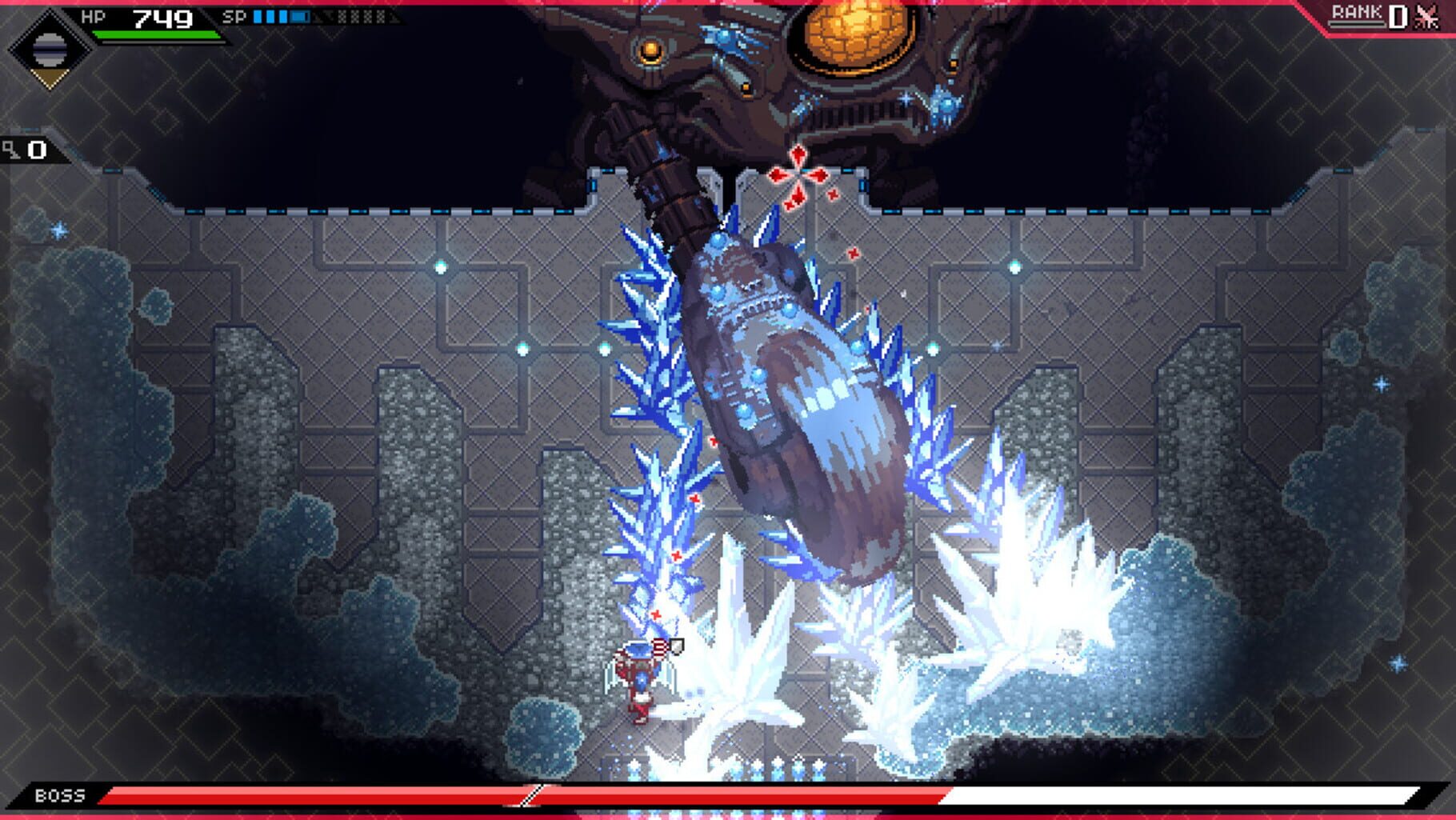
Before taking this on, prepare properly. The war machine encounter is not the kind of fight you want to enter with outdated gear and three sandwiches.
Recommended prep:
This quest is worth doing because it combines story payoff with a major gear unlock. The resulting legendary weapon can also be enhanced further, making it especially appealing for players working toward endgame builds, arena content, or completion goals.
If you’re struggling, watch the fight once without focusing on damage. Just learn the attack rhythm. CrossCode bosses get much less scary when you stop panicking and start reading patterns.
Captures d'écran