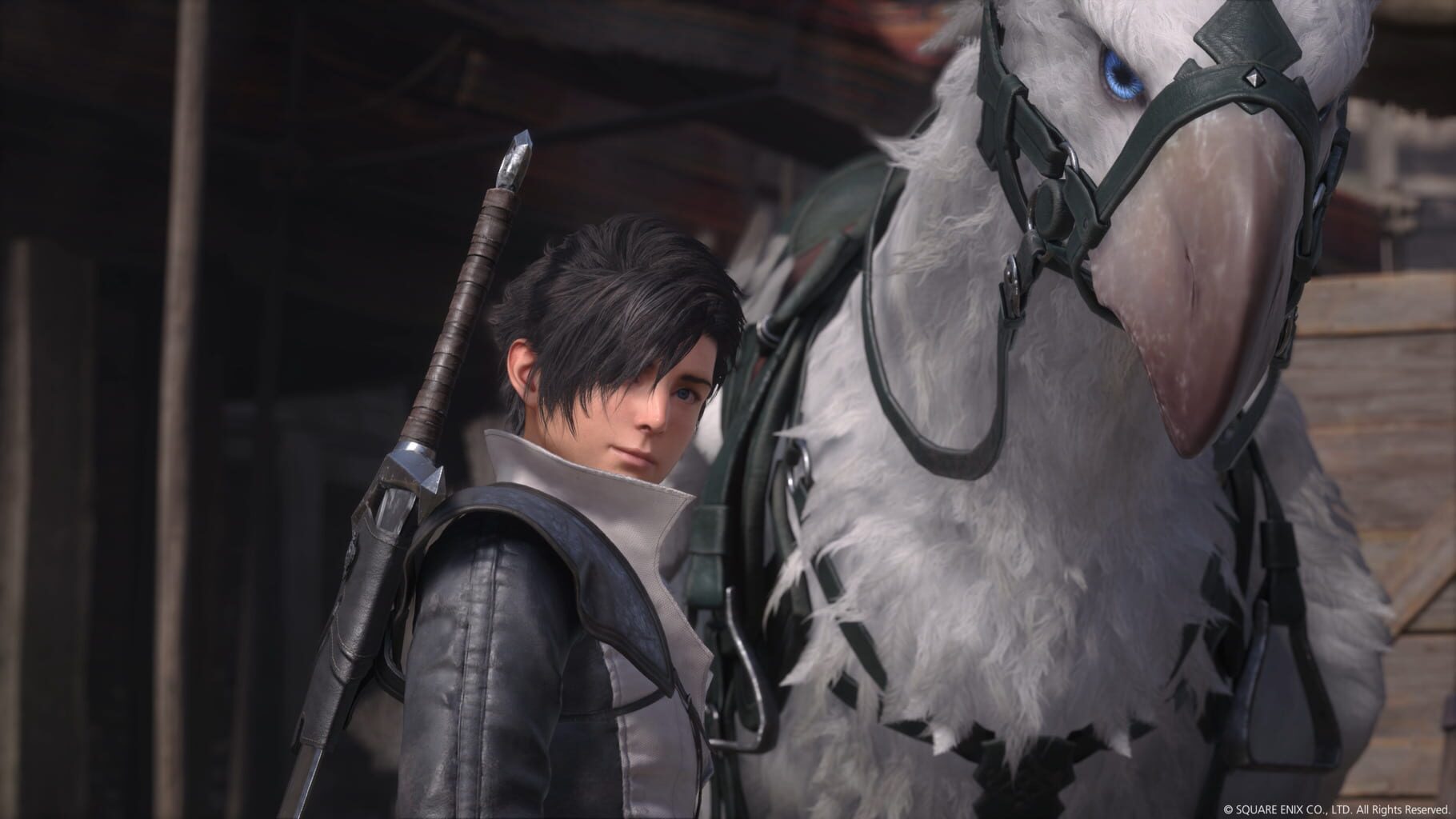
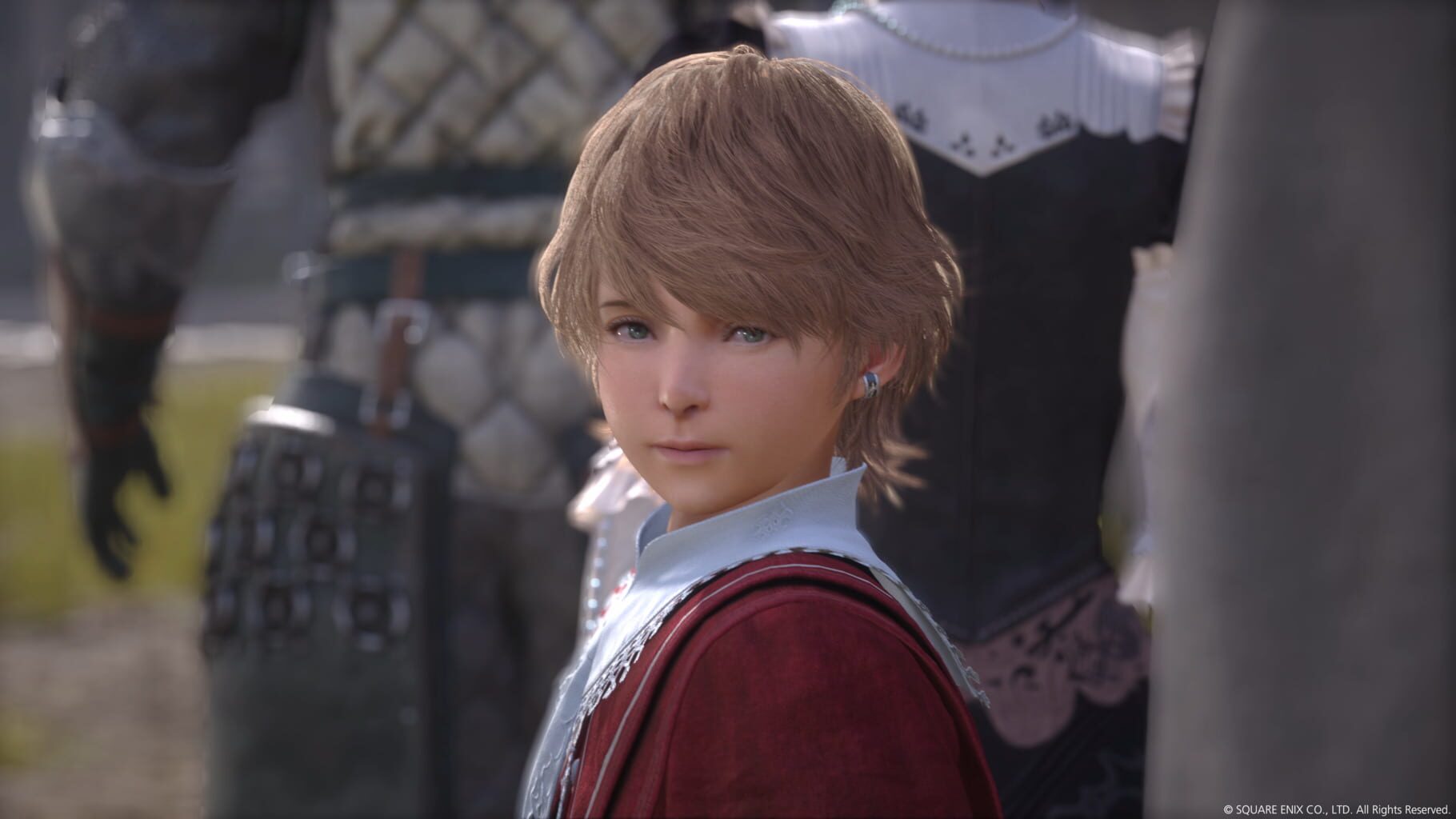
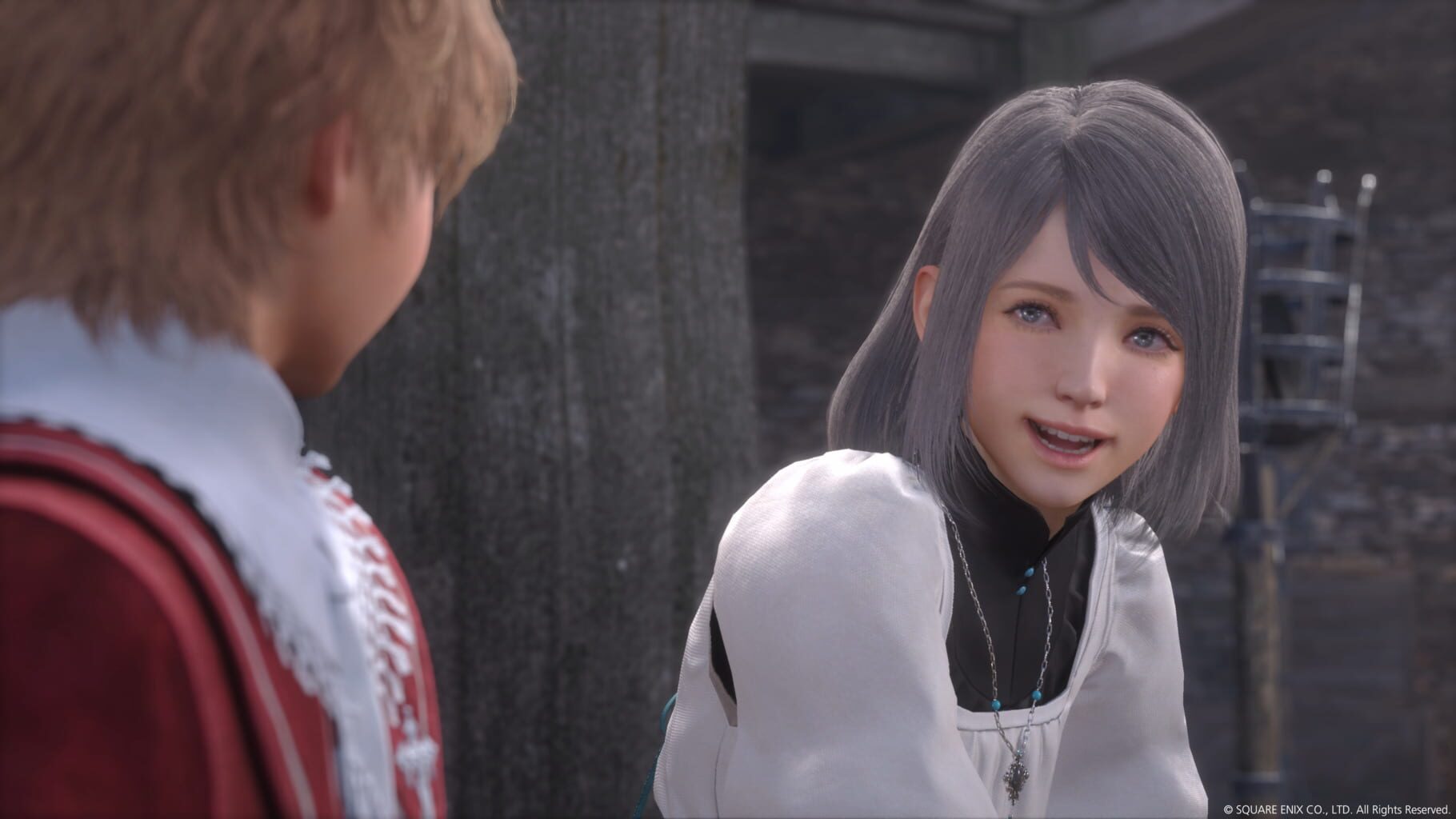
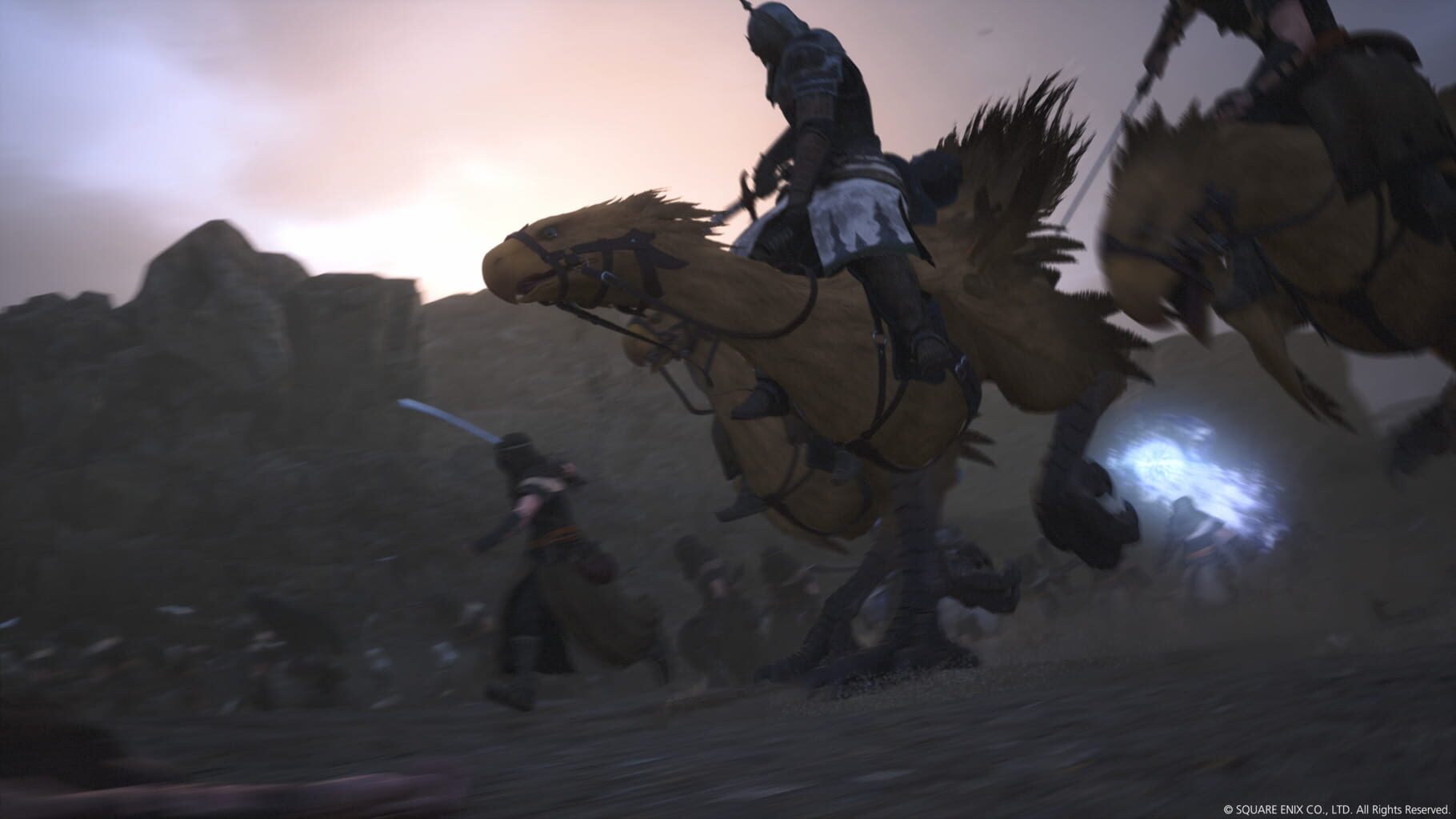
Final Fantasy XVI Easter Eggs
- Final Fantasy XVI Cheats: What Actually Works on PC and Console
- WeMod Trainer Cheats for Final Fantasy XVI on PC
- Cheat Engine Tables for Final Fantasy XVI
- Infinite Gil Potion Refill Exploit in Final Fantasy XVI
- How to Unlock New Game+ and Final Fantasy Mode in FF16
- How to Claim Final Fantasy XVI Pre-Order Bonus Items
- How to Unlock Ultimaniac Difficulty in Arcade Mode
- Omega Weapon DLC Unlock and My Reward Is With Me Achievement
- Chronolith Trials Locations and Circle of Malius Unlock
- Easter Eggs Hidden Throughout the Game
- Torgal’s Whistle and the Final Fantasy X Callback
- Black Mage Scarecrow in Martha’s Rest
- Braveheart Sword Easter Egg and Final Fantasy Nostalgia
- Best Final Fantasy XVI Easter Eggs and Hidden References
- Think, Mark! Trophy Reference in Final Fantasy XVI
- Spoony Bard NPC in the Hideaway
- Game of Thrones References in Final Fantasy XVI
- Titan’s Design and the Attack on Titan Parallel
- Phoenix vs Ifrit and the Lord of the Rings-Style Balrog Homage
- Dragoon Pose Reference to Final Fantasy IV
- Cidolfus Name Reference to Final Fantasy Tactics
- Pixel Party Sprites in FF16 Menus
- Prelude and Crystal Theme Music Easter Egg
- Control Node Enemy and Final Fantasy IV Callback
- Best AP, XP, Hunt, and Exploration Tips in Final Fantasy XVI
- Final Fantasy XVI Combat Tips: Stagger, Dodge, and Hit Harder
- Gil, Potions, and Resource Management Tips for FF16
- How to Stagger Enemies in Final Fantasy XVI
- Where to Find Every Notorious Mark
- How to Stagger an Enemy.
- All Notorious Marks in Final Fantasy XVI and How Hunts Work
- For the Hoard Trophy Guide: Wall of Memories Curiosities
- How to Craft Ultima Weapon in Final Fantasy XVI
Final Fantasy XVI Cheats: What Actually Works on PC and Console
CheatsIf you’re searching for Final Fantasy XVI cheats, the first thing to know is that FF16 doesn’t have old-school button codes, secret debug menus, or official invincibility toggles on PlayStation. No “press Up, Down, Phoenix Shift” magic here.
What the game does have falls into two categories:
On console, your “cheats” are really more like clever farming routes, Gil exploits, and combat optimizations. On PC, players can use tools like trainers or Cheat Engine tables to enable things such as infinite HP, instant cooldowns, Limit Break changes, and other memory-editing options.
A few important notes before using any Final Fantasy XVI trainer:
If you just want to enjoy the story without the pressure of tough boss fights, PC cheats can make that possible. If you’re on PS5, you’ll want to focus on farming, equipment upgrades, potion capacity, and smart Eikon builds instead.
WeMod Trainer Cheats for Final Fantasy XVI on PC
CheatsThe WeMod trainer for Final Fantasy XVI is one of the easier PC cheat options because it uses a simple toggle-based interface instead of requiring manual memory editing. You install WeMod, select FF16, launch or attach it to the game, then enable the options you want.
Common WeMod-style cheats for FF16 include:
These cheats can completely change how Final Fantasy XVI plays. Infinite HP and instant cooldowns make hunts, bosses, Chronolith Trials, and Final Fantasy Mode much easier, sometimes to the point where the challenge disappears entirely.
Use WeMod carefully if you’re also running overlays, mods, or other memory tools. Trainers work by changing active game memory, so stacking multiple tools can increase the chance of crashes. It’s also smart to disable cheats before major cutscenes or scripted boss transitions, just in case the game expects certain HP or phase triggers.
Cheat Engine Tables for Final Fantasy XVI
CheatsIf you want more manual control over Final Fantasy XVI PC cheats, Cheat Engine tables are another option. These community-made .CT files attach to the FF16 process and expose values like HP, cooldowns, damage, AP, or score-related variables.
A typical Cheat Engine setup works like this:
Common table options may include:
Cheat Engine gives more flexibility than a simple trainer, but it also asks more from the player. Some scripts can conflict with boss phases, cutscene triggers, or scripted deaths. If something breaks, disable the active options, reload, and try again.
The golden rule: back up your save files before using Cheat Engine in FF16. It’s powerful, but it’s not foolproof.
Infinite Gil Potion Refill Exploit in Final Fantasy XVI
CheatsThere’s no official Final Fantasy XVI infinite Gil cheat, but there is a well-known exploit using potion refills after death. It’s not glamorous, but hey, Gil is Gil.
The trick works because when Clive dies and you choose Continue, the game refills your standard Potions and High Potions for free. Since those items can be sold to merchants, you can turn that refill into repeatable money.
Here’s how the FF16 potion Gil exploit works:
The amount of Gil depends on your potion carrying capacity. To make this exploit better, complete the Weird Science side quests at the Hideaway, since they increase how many healing items Clive can carry.
At max potion capacity, selling a full stock can net a solid chunk of Gil, and with efficient routing, players have reported earning around 150,000 Gil per hour. It’s most useful earlier or mid-game. Late-game Clive can be annoyingly hard to kill, which is a funny problem to have, so farming valuable drops like Dragon Talons may become faster.
How to Unlock New Game+ and Final Fantasy Mode in FF16
UnlockablesTo unlock New Game+ in Final Fantasy XVI, finish the main story and create a clear save. This save is marked with a star icon and lets you begin a second playthrough while carrying over Clive’s progress.
New Game+ options include:
Final Fantasy Mode unlocks:
Choose carefully. You can’t switch out of Final Fantasy Mode mid-run, so make sure you’re ready before committing. Max potion capacity, finish important side quests, upgrade your gear, and bring a build you actually enjoy using.
How to Claim Final Fantasy XVI Pre-Order Bonus Items
UnlockablesFinal Fantasy XVI pre-order bonuses include three items:
To claim FF16 pre-order items:
These items are helpful early, especially Braveheart, but they can’t be upgraded or reinforced. Later weapons and accessories will outperform them, so don’t feel obligated to keep them equipped forever.
If you didn’t pre-order Final Fantasy XVI, these items are not normally available through standard gameplay.
How to Unlock Ultimaniac Difficulty in Arcade Mode
UnlockablesUltimaniac difficulty in Final Fantasy XVI is unlocked through New Game+ and accessed from the Arete Stone in the Hideaway. It’s part of Arcade Mode and is designed for players who want the toughest replayable combat challenge.
Ultimaniac is not just “a little harder.” It expects you to understand:
Arcade Mode scoring is based mainly on damage dealt, with extra value from damaging battle techniques. Non-damaging techniques may look stylish, but they don’t directly help your score.
If you’re aiming for high rankings, build around burst damage, efficient stagger, and reliable survivability. Ultimaniac is where FF16 stops politely suggesting you learn the combat system and starts checking your homework.
Omega Weapon DLC Unlock and My Reward Is With Me Achievement
UnlockablesThe Omega Weapon in Final Fantasy XVI is tied to DLC progression. After completing the DLC’s main questline, you receive the required materials and can craft Omega Weapon, or its reforged version, at Blackthorne’s forge in the Hideaway.
Crafting Omega Weapon unlocks the My Reward Is with Me achievement.
To access the DLC path, you need to be near the end of the base game and meet specific quest requirements. This includes reaching the late-game main quest state and completing important character side quests involving Joshua and Jill, such as:
Once the prerequisites are met, a new objective appears directing you to speak with Charon in the Hideaway. From there, complete the DLC storyline and craft the weapon when the materials become available.
Compared to Ultima Weapon, Omega Weapon is more straightforward. The DLC questline is the main gate rather than a long hunt-material checklist.
Chronolith Trials Locations and Circle of Malius Unlock
UnlockablesChronolith Trials in Final Fantasy XVI are Eikon-specific combat challenges found throughout Valisthea. Each trial limits you to one Eikon’s abilities and asks you to defeat waves of enemies within a time limit.
Chronolith Trials include:
Completing all base Chronolith Trials unlocks:
Some Chronoliths are tucked away behind specific paths, canyon edges, or hidden routes, so don’t rely only on obvious roads. If you’re hunting all FF16 secret locations and completion rewards, these trials are mandatory.
Braveheart
Long-time fans who pre-ordered the game will recognize one of the bonuses that come with it. Braveheart has been around since the original game and has appeared in artwork associated with the Warrior of Light and in the Final Fantasy Dissidia series. The sword was also a rare drop in the 11th game.
As a DLC weapon, Braveheart is stronger than any of the early weapons in the game. Unfortunately, you can’t upgrade it, so it’s not really useful when you start finding stronger weapons.
“Think, Mark!”
“Mark” is the moniker for powerful, free-roaming monsters that are usually the object of side quests. Once you’ve killed 10 “Notorious marks,” you’ll unlock a trophy referencing a popular scene from Invincible. Fans of the animated superhero series are bound to chuckle when they see this achievement pop up on the screen.
“You Spoony Bard!”
In the Hideaway, located in the first town area you come across, you’ll find a character named “Spoony Bard.” This is a reference t the NTSC version of the fourth game, which features some questionable English because it was translated before the game developer had a localization team.
One of the most memorable lines from this game was an insult from Tellah directed towards Edward, the game's resident lute player. Tellah is the father of Edward’s deceased lover, and, in anger, he calls Edwards a “spoony bard.”
Games of Thrones References
There are some instances where the game stylistically resembles Game of Thrones or references it. In one of the opening scenes, Benedikta calls the Dominant of Titan Eikon, Hugo Kupka, her lion. This is similar to when Shae refers to Tyrion Lannister as her Lion.
You will find another reference to the fantasy series in the world map, which resembles the woodcraft and clockwork board game used in Game of Thrones’ opening title. These many references make sense when you remember that George R. R. Martin’s work greatly influenced the game.
The Armored Titan
The Titan has been around since the third iteration of the game and is reinvented with each game, with the latest one looking very similar to another well-known Titan. The colors are different, but there is no denying that the foldaway jaw, musculoskeletal build, and exposed teeth are reminiscent of the Armored Titan from the popular anime Attack on Titan. Even some of the poses are similar to those made by the anime character.
Familiar Whistle
Players are treated to the wholesome experience of having a dog companion in the game. Torgal is a fantastic asset in combat, and you can interact and bond with him. While interacting with the beloved dog, some players realized Clive’s whistle sounded familiar.
This is because it’s the same whistle sound effect used in the 10th game and its sequel. Tidus teach Yuna to whistle, promising that he’ll always comes to her when she needs him if she learns it well, a promise he makes good on when Yuna needs a friend.
Scarecrow Mage
Many details are hidden around the map, but you can find this particular one in the small hamlet of Martha’s Rest during the Homecoming story quest. There’s a small cabbage patch at the edge of town guarded by a scarecrow that looks quite a bit like the black mages from the previous iterations of the game.
Battle of the… Balrogs?
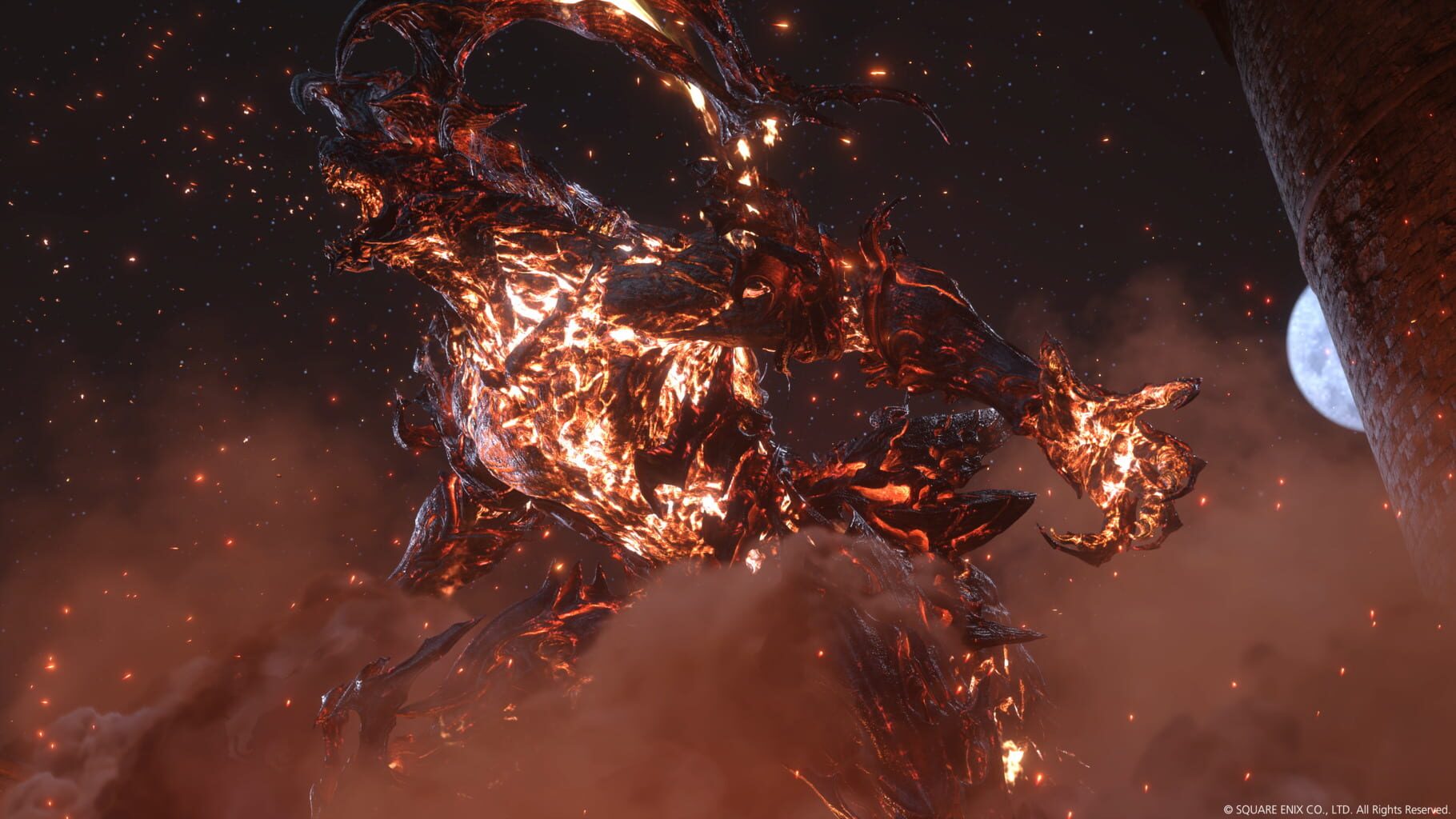
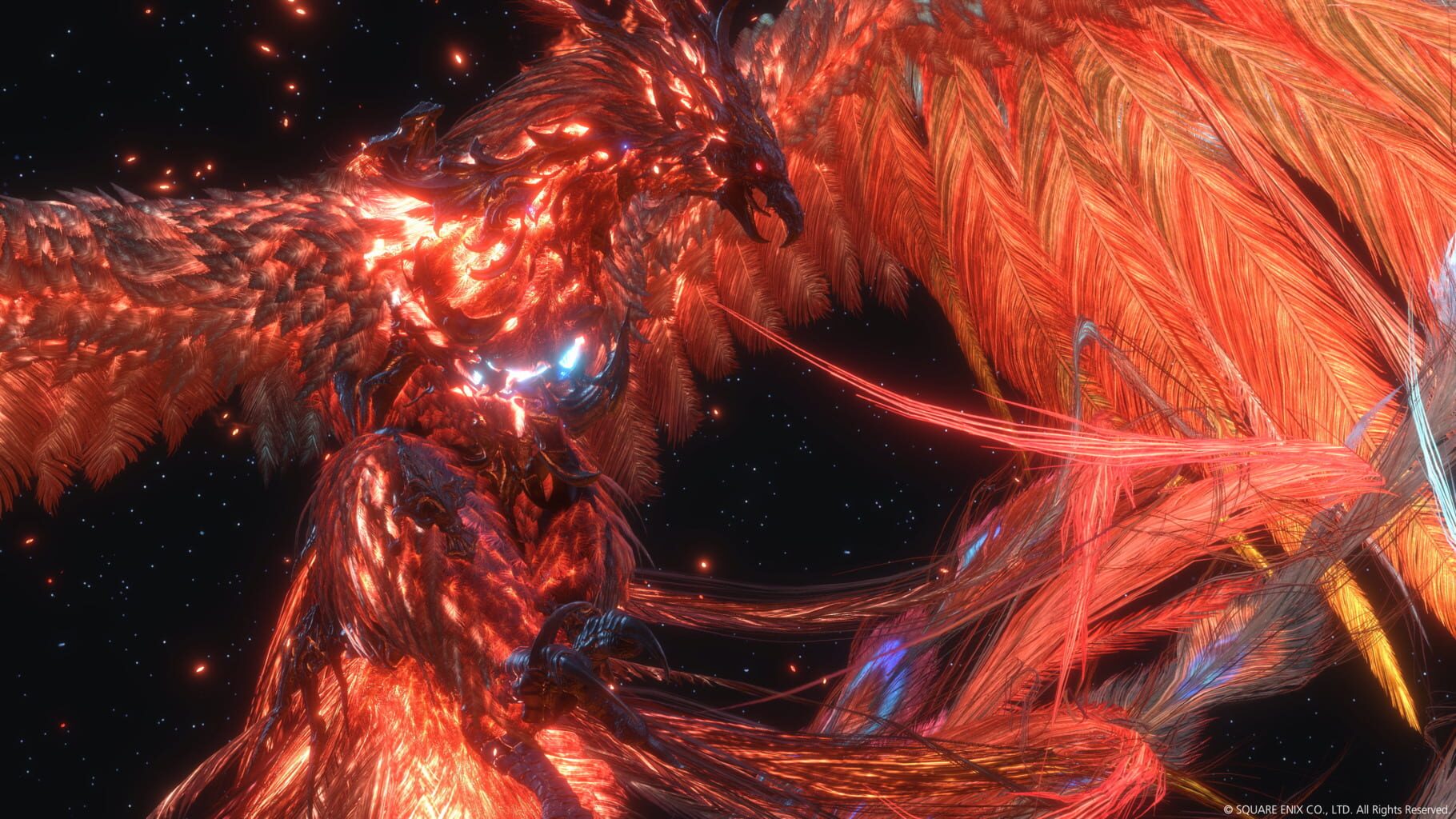
The game opens with a battle between two Eikons, godlike fire-bearing monsters named Ifrit and Phoenix. As the two fall into a vast chasm, fans of Peter Jackson’s Lord of the Rings will have a moment of déjà vu. This is because the fight is basically a recreation of the battle between Gandalf and the Balrog of Morgoth. Almost everything is the same, down to the camera angles. The resemblance is helped by the fact that Ifrit looks quite a bit like the Balrog.
Familiar Poses
Near the beginning of the game, you take a trip through Clive’s memories and watch as his family's dukedom is attacked by an Imperial force tasked with stopping his brother from becoming the Dominant of Fire.
One of these assassins is a dragoon, a spear-wielding knight that uses a ‘jump’ technique to evade damage. When you first see the dragoon, they are on one foot as they balance on the tip of a castle turret in a pose identical to Kain’s in the iconic title artwork for the fourth game.
A Treat for Tactics Fans
Early in the game, you’ll meet Cid, a mentor and indispensable partner. Every iteration of the game has one, but this particular Cid is named Cidolfus, the same name as the most iconic character in Tactics, a game renowned for its mature and political story.
This game’s version of Cid is also the Dominant of Lightning, which makes him a thunder god.
Torgal’s Whistle and the Final Fantasy X Callback
Easter EggsClive’s whistle for Torgal uses a sound that longtime fans may recognize from Final Fantasy X, where Tidus teaches Yuna how to whistle. In FFX, that sound becomes emotionally tied to a promise, companionship, and comfort.
In Final Fantasy XVI, the whistle connects Clive to Torgal, his loyal wolf companion. It’s a small audio easter egg, but it lands beautifully because Torgal is more than a combat helper. He’s Clive’s buddy, emotional anchor, and certified good boy.
If you played Final Fantasy X, this little sound cue is one of FF16’s sweetest hidden references.
Black Mage Scarecrow in Martha’s Rest
Easter EggsDuring the Homecoming main quest, check around Martha’s Rest and you can spot a scarecrow that looks like a classic Final Fantasy Black Mage. The pointed hat, shadowed face, and glowing eyes are a clear visual callback to the iconic mage design seen across the series, especially characters like Vivi from Final Fantasy IX.
It’s just sitting there in a cabbage patch, doing scarecrow things. No quest. No reward. Just a tiny reminder that even in FF16’s gritty world, classic Final Fantasy charm still sneaks in through the side door.
Braveheart Sword Easter Egg and Final Fantasy Nostalgia
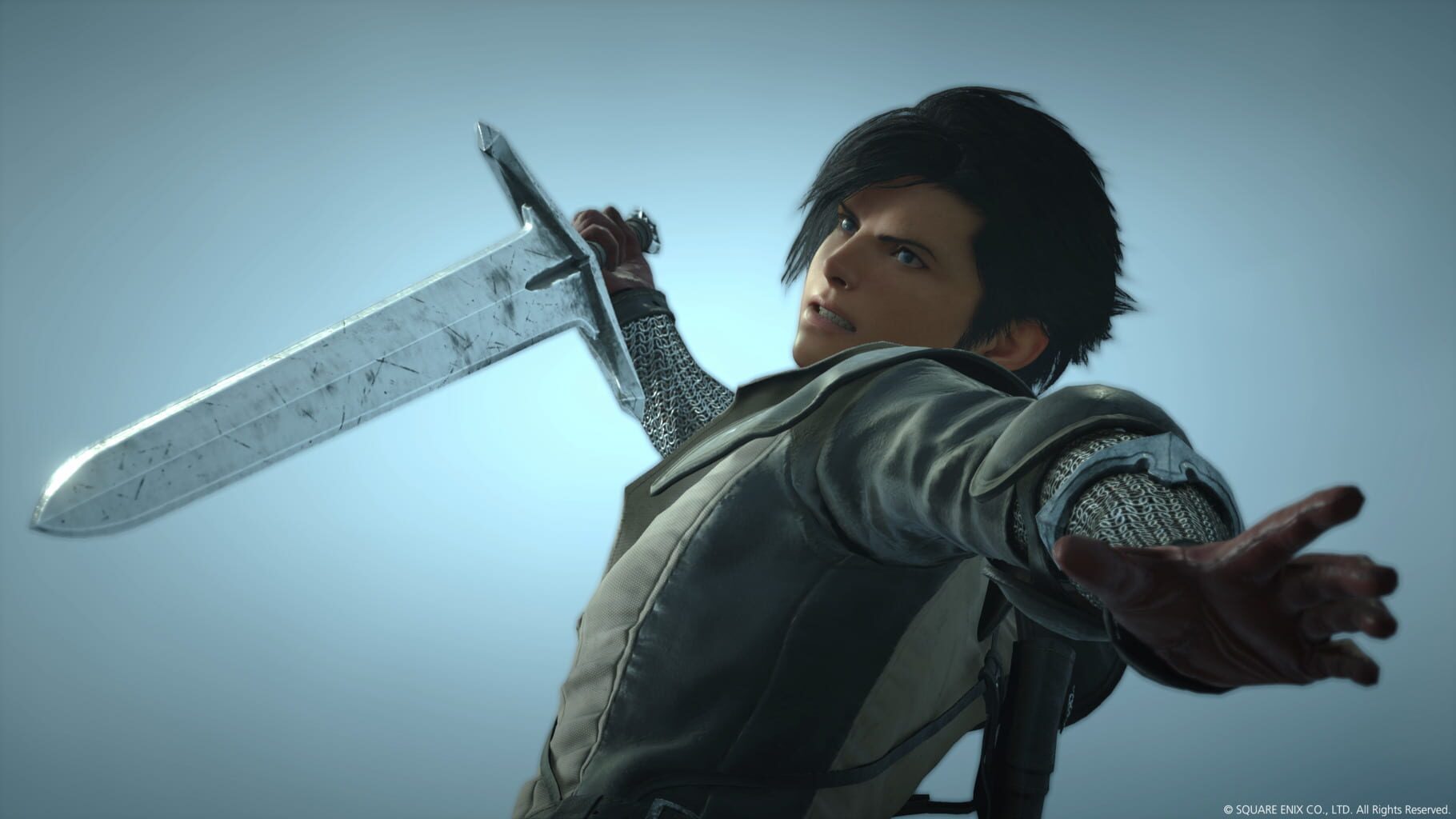
Easter EggsThe Braveheart sword in Final Fantasy XVI is more than just a pre-order bonus weapon. It’s also a nostalgic nod to the wider Final Fantasy series, where the Braveheart name has appeared before as a heroic weapon tied to classic FF imagery.
In FF16, Braveheart is very strong early on, with attack and stagger values far above the starting gear Clive normally uses. That makes it a nice boost for players who redeemed the bonus item, especially during the opening stretch.
A few things to know:
Braveheart won’t replace the late-game weapon path toward Ragnarok, Gotterdammerung, Everdark, or Ultima Weapon, but it’s a fun little wink for longtime fans.
Final Fantasy XVI is packed with easter eggs, series callbacks, and sly references to other fantasy media. Some are obvious if you’ve played older Final Fantasy games. Others are tiny details hidden in menus, NPC names, sound effects, or environmental props.
You’ll find nods to:
None of these secrets change gameplay, but they make Valisthea feel connected to a much bigger fantasy tradition. If you love spotting Final Fantasy XVI hidden references, it’s worth slowing down in towns, checking menus, listening closely to music cues, and inspecting odd little environmental details.
Think, Mark! Trophy Reference in Final Fantasy XVI
Easter EggsThe “Think, Mark!” trophy in Final Fantasy XVI is awarded for defeating ten Notorious Marks from the Hunt Board, but the name itself is a pop-culture joke. It references the famous Invincible scene where Omni-Man shouts “Think, Mark!” during a brutal confrontation.
In FF16, the joke lands because hunts are all about tracking down dangerous monsters and learning not to get flattened by them. Think, Clive. Think.
To unlock the trophy:
If you’re hunting trophies or achievements in Final Fantasy XVI, this one is a natural stop on the road to full Hunt Board completion.
Spoony Bard NPC in the Hideaway
Easter EggsOne of the best old-school Final Fantasy references in FF16 is the Spoony Bard NPC in the Hideaway. This name calls back to Final Fantasy IV, where Tellah famously insults Edward with the immortal line “You spoony bard!”
It’s one of those weird localization phrases that became legendary precisely because it sounded so odd. Decades later, Final Fantasy fans still remember it.
In Final Fantasy XVI, the reference appears as a musician NPC, which makes the joke even better. It doesn’t unlock anything, but it’s a charming nod to the series’ localization history and one of the easiest easter eggs to appreciate if you’re an FF veteran.
Game of Thrones References in Final Fantasy XVI
Easter EggsFinal Fantasy XVI leans hard into dark fantasy politics, royal houses, betrayals, forbidden relationships, and grim war drama, so it’s no surprise players noticed Game of Thrones-style references.
A few standout similarities include:
FF16 is still very much its own story, with Dominants, Eikons, Mothercrystals, and Valisthea’s unique lore. But if you’re looking for Final Fantasy XVI Game of Thrones easter eggs, the influence is pretty easy to spot.
Titan’s Design and the Attack on Titan Parallel
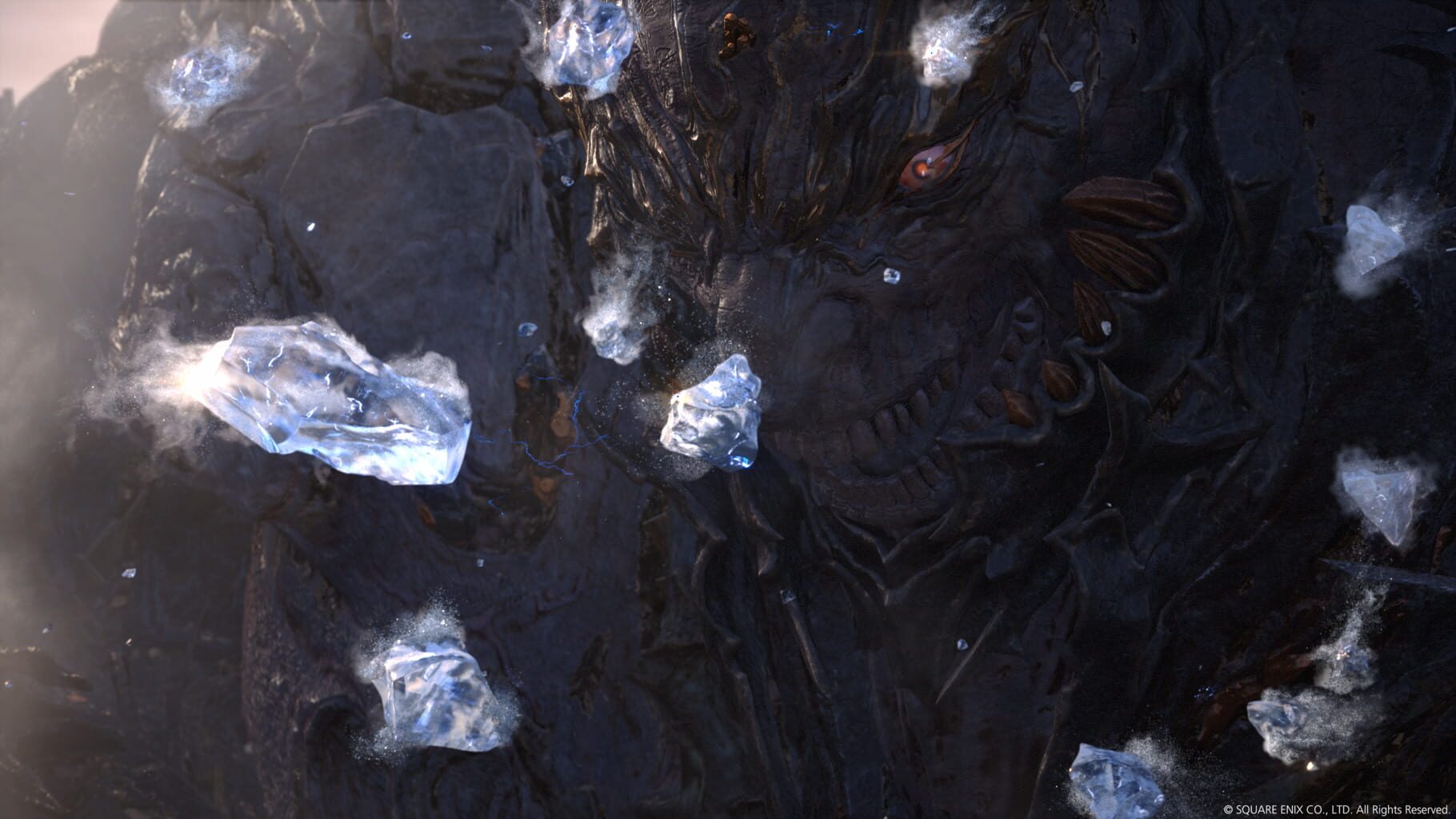
Easter EggsMany players have pointed out that Titan in Final Fantasy XVI has visual similarities to the Armored Titan from Attack on Titan. The exposed musculature, jaw shape, massive body proportions, and charging combat style make the comparison hard to ignore.
This isn’t a confirmed crossover or official reference, but visually, the resemblance is strong enough that fans often bring it up when discussing FF16’s Eikon designs.
The parallel works thematically too. Titan feels like an unstoppable force of destruction, especially during large-scale Eikon battles where the camera pulls back and the environment starts getting absolutely wrecked. Very subtle? Not really. Very cool? Absolutely.
Phoenix vs Ifrit and the Lord of the Rings-Style Balrog Homage
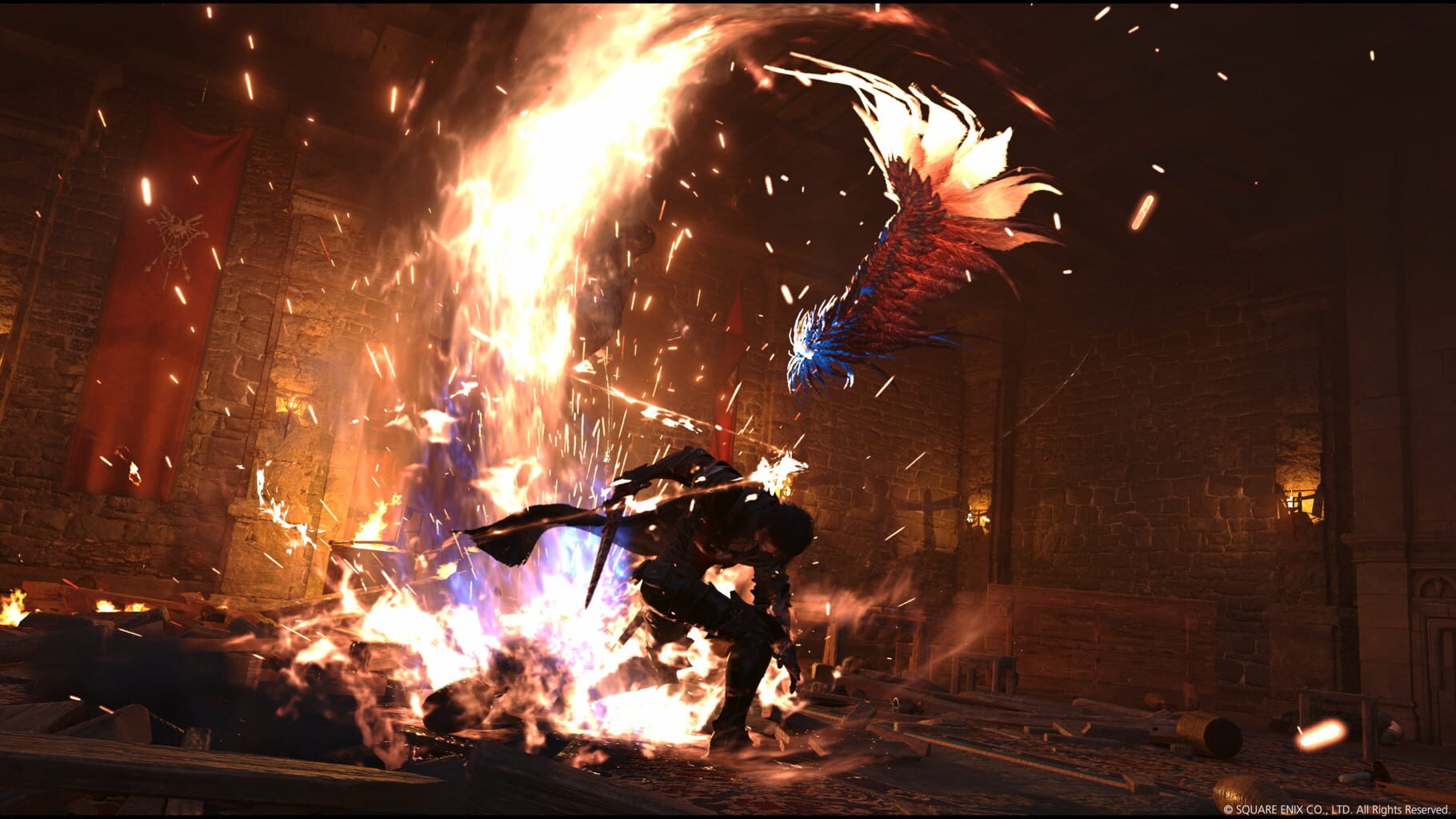
Easter EggsThe opening Eikon battle between Phoenix and Ifrit has strong Lord of the Rings Balrog energy. The fiery monster design, the dramatic fall into a chasm, and the sense of mythic scale all echo Gandalf’s confrontation with the Balrog in the film adaptation.
Final Fantasy XVI uses that kind of imagery to sell one thing very quickly: Eikon battles are not normal boss fights. They’re world-shaking disasters with claws, fire, wings, and emotional trauma included at no extra charge.
For fantasy fans, this is one of FF16’s most cinematic easter eggs.
Dragoon Pose Reference to Final Fantasy IV
Easter EggsEarly in Final Fantasy XVI, a dragoon appears perched on a castle turret in a pose that closely resembles Kain’s iconic artwork from Final Fantasy IV. It’s a direct visual nod to one of the series’ most recognizable dragoon images.
The reference works because dragoons have always had a strong identity in Final Fantasy:
FF16 reimagines dragoons in a darker, more grounded military setting, but this pose keeps the classic lineage alive.
Cidolfus Name Reference to Final Fantasy Tactics
Easter EggsCid in Final Fantasy XVI is named Cidolfus, which immediately rings a bell for fans of Final Fantasy Tactics. In Tactics, Cidolfus Orlandeau is a legendary figure known for overwhelming power and political importance.
FF16’s Cidolfus also fits that mold. He’s a powerful, morally driven character tied to resistance, strategy, and lightning. The connection feels intentional, especially given how heavily Final Fantasy XVI leans into political conflict and moral gray areas.
If you’ve played Final Fantasy Tactics, hearing the name Cidolfus gives FF16’s Cid a little extra weight from the moment you meet him.
Final Fantasy XVI may look like a modern cinematic action RPG, but it still sneaks in some retro love through pixelated character sprites in menu and interface elements.
You can spot these classic-style sprites in places like:
They’re designed to resemble the small pixel art characters from the earliest Final Fantasy games. It’s a simple touch, but it connects FF16’s high-end visuals to the franchise’s 8-bit and 16-bit roots.
Prelude and Crystal Theme Music Easter Egg
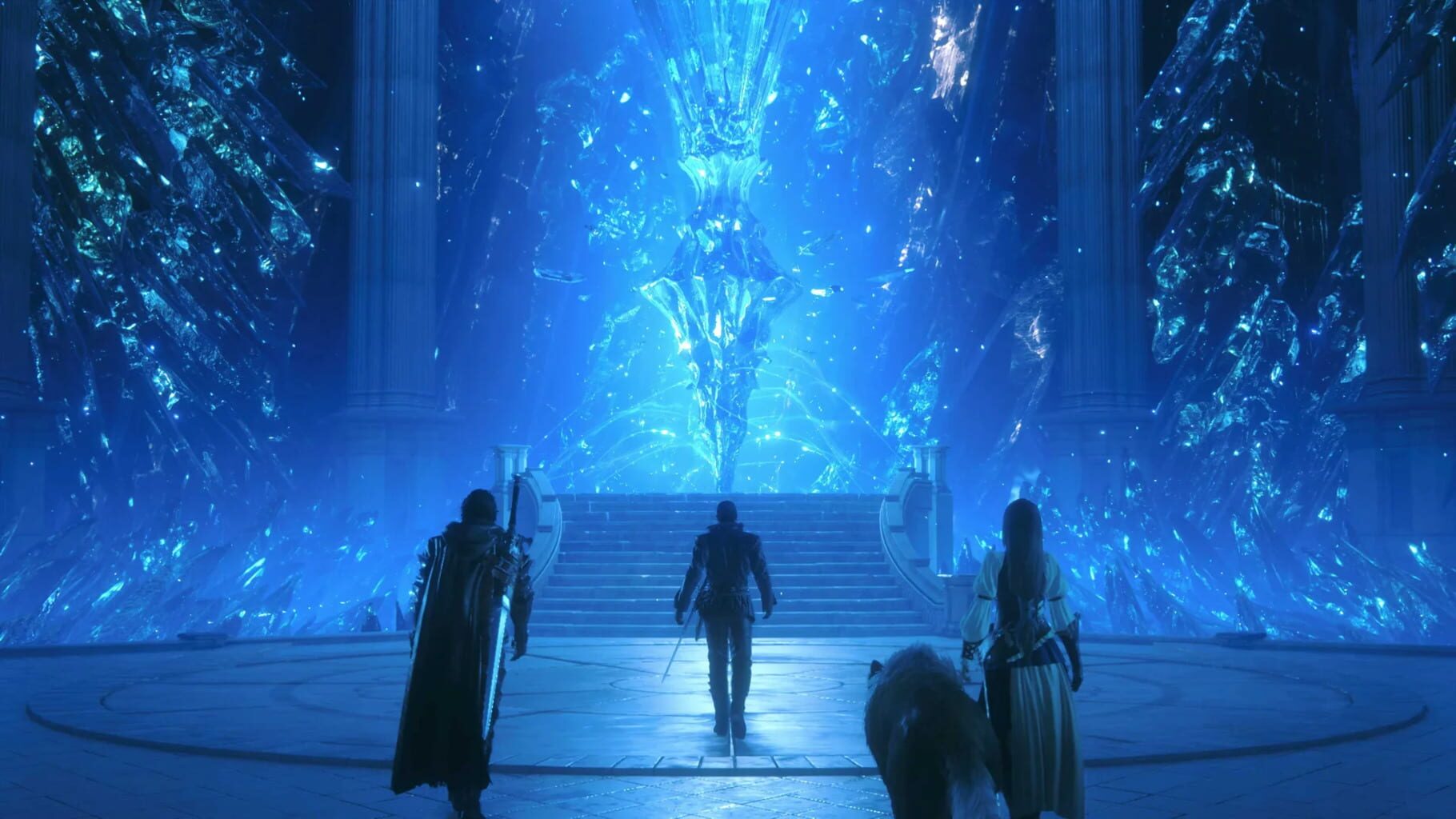
Easter EggsThe classic Final Fantasy Prelude, also known as the Crystal Theme, appears in Final Fantasy XVI through familiar musical cues. That rising and falling arpeggio has been part of the series’ identity for decades, often tied to crystals, menus, title screens, and moments of reflection.
In FF16, hearing the theme links Valisthea’s Mothercrystals to the broader Final Fantasy tradition. It’s not just background music; it’s franchise DNA.
If you’re a longtime fan, those notes can hit surprisingly hard, especially in a game that otherwise presents itself as darker, heavier, and more action-driven than many earlier entries.
Control Node Enemy and Final Fantasy IV Callback
Easter EggsThe Control Node enemy in Final Fantasy XVI resembles the Control System boss from Final Fantasy IV. Its circular mechanical design and coordinated attack style feel like a modern reinterpretation of that classic encounter.
This is the kind of easter egg that doesn’t announce itself. New players just see a strange mechanical enemy. Final Fantasy IV fans, though, get a little spark of recognition.
It’s a neat example of how FF16 reuses old enemy ideas without making them feel out of place in Valisthea.
Best AP, XP, Hunt, and Exploration Tips in Final Fantasy XVI
HintsExploration in Final Fantasy XVI is built around regions, obelisks, enemy routes, and hunts. If you want faster ability unlocks, better leveling, and smoother progression, you'll want to use the map smartly.
Useful AP and XP farming tips include:
Hunts are also a major part of progression. Notorious Marks give experience, Gil, renown, and rare crafting materials. They also tie into trophies and late-game weapon upgrades, so don't ignore the Hunt Board.
A good rhythm is simple: when new side quests and hunts appear, clear a batch before pushing the main story. Future you, holding a half-finished weapon recipe and missing one rare material, will be grateful.
Final Fantasy XVI Combat Tips: Stagger, Dodge, and Hit Harder
HintsIf you’re looking for Final Fantasy XVI combat tips, start with stagger. FF16’s combat isn’t just about mashing attack until something falls over, though, to be fair, sometimes that does work. The real damage comes from breaking an enemy’s Will Gauge.
Here’s the basic flow:
A few combat hints that make a huge difference:
The best FF16 builds usually balance two things: abilities that quickly break Will, and abilities that hit like a truck once stagger begins.
Gil, Potions, and Resource Management Tips for FF16
HintsManaging resources in Final Fantasy XVI is mostly about staying stocked, spending Gil wisely, and not wasting rare materials before you understand what they’re for.
Key FF16 resource tips:
If you have pre-order items:
These bonuses are helpful, but they don’t stay best-in-slot. In harder content, ability-focused accessories, defensive gear, and optimized Eikon setups matter more than small resource bonuses.
And yes, the potion refill exploit can generate Gil, but it gets less convenient later when Clive becomes too sturdy to die quickly. Terrible news for the economy. Great news for Clive.
How to Stagger Enemies in Final Fantasy XVI
HintsLearning how to stagger enemies in Final Fantasy XVI is one of the most important combat skills in the game. Bosses and elite enemies have a Will Gauge under their HP bar. Drain it, and they’ll collapse into a staggered state.
How stagger works:
To stagger enemies faster:
For high scores in Arcade Mode, stagger is even more important because score is based largely on damage dealt. The more damage you squeeze into stagger windows, the better your rankings tend to be.
A strong combat rotation usually looks like this:
Where to Find Every Notorious Mark
Guides- Ahriman – Travel to the southeastern part of the Sorrowise area of Martha’s Rest.
- Aruna (the Angel of Death Hunt) – Travel to the center of the Claireview area of Northreach.
- Soul Stingers – Travel to the eastern part of the Field of Carava area of Dravozd.
- Grimalkin – Travel to the southern part of the Sickle area of The Jaw.
- The Pack – Travel to the Gilded Path area of Tabor.
- Dozmare – Travel to the northeastern part of the Caer Norvent River Gate area.
- Belphegor – Travel to the Broken Hilt area of Eastpool.
- Sekhret – Travel to the northwestern part of the Greensheaves area to the north of Martha’s Rest.
- Severian – Travel to the northern part of the Sorrowise area of Martha’s Rest.
- Bomb King – Travel to the Crock area of The Dragon’s Aery.
- Fastitocalon (A Hill to Die On Hunt) – Travel to the northeastern part of the Velkroy Desert area.
- Ten of Clubs – Travel to the southern part of the Fields of Corava area of Dravozd.
- Carrot – Travel to the Whispering Waters of Three Reeds.
- Holy Trumpitour (The Man in Black Hunt) – Follow the Celler Passage in Lostwing.
- Flan Prince (Muddy Murder Hunt) – Travel to the northern part of the Hawk’s Cry Cliff area.
- The Nine of Knives – Travel to the center of The Jaw.
- The Mageth Brothers – Travel to the Quietsands area of Port Isolde.
- Dread Comet – Travel to the center of the Sickle area of The Jaw.
- Govermouch – Travel to the western part of the Eistla area.
- Agni – Travel to the southern part of the Halfcombe area of The Edge of Infinity.
- Bygui – Travel to the center of the Kritten Hollow area of Ravenwit Talls.
- Terminus (The Blood Moon Hunt) – Travel to the northern part of the Imperial Chase area of The Dragon’s Aery.
- Kuza Beast – Travel to the Balmung Dark area of Ravenwit Walls.
- Prince of Death (The Grim Reaper Hunt) – Travel to the southwestern part of the Royal Meadows area.
- Gizamaluk (The Wailing Banshee Hunt) – Travel to the western part of the Vidargraes area.
- Thanatos (Usher to the Underworld Hunt) – Travel to the Titan’s Wake area of the Gilded Path
- Knight of the Splendent Heart – Travel to the northern part of the Royal Meadows area.
- Atlas (The Breaker of Worlds Hunt) – Travel to the eastern part of the Cressida area of Eastpool.
- Gorgimera (The Tricephalic Terror Hunt) – Travel to the southwestern part of The Velkroy Desert.
- Pandemonium – Travel to the western part of the Skaithfarr area of The Shadow Coast.
- Behemoth King (The Masterless Marauder Hunt) – Travel to the northern part of the Vidargraes area.
- Svarog (Ruin Reawakened Hunt) – Travel to the southern part of the Mornebrume area of Caer Nirvent Gloriues Gate.
How to Stagger an Enemy.
GuidesStaggering an enemy will knock them to the ground, giving you the perfect opportunity to relentlessly attack them and deal extra damage while they cannot retaliate. It’s one of the most valuable combat skills you can ever hope to learn.
As you land attacks on an enemy, their Will Gauge will slowly decrease. Once it’s empty, they will stagger, falling to the ground as they try to recover. While they are in this state, the damage you can deal to them can increase up to 150%.
A half-full Will Gauge will knock your opponent off balance. You can use the opportunity to land a few extra hits, or you can use Garuda’s Deadly Embrace and pull your enemy to the ground.
Any attack will decrease the Will Gauge, but Precision Dodges, Parries, and combos will empty it faster than bashing an enemy with Clive’s sword.
Using an Eikonic Ability is the fastest way to Stagger an enemy. When choosing one, take note of the two star ratings, as they will tell you how strong the move is and its effectiveness against an opponent’s Will Gauge.
Limit break can easily destroy your opponent’s Will Gauge, but saving it for when your opponent is already Staggered would probably be the best move as they will take massive damage.
All Notorious Marks in Final Fantasy XVI and How Hunts Work
GuidesThe Final Fantasy XVI Hunt Board unlocks during the main quest The Gathering Storm after returning to the Hideaway. From there, you can track and defeat Notorious Marks: powerful enemies hidden across Valisthea.
There are thirty-two Notorious Marks total. Defeating them is important for:
Early examples include:
High-rank hunts include:
If you only want the Think, Mark! trophy, you need ten marks. If you want Hunter, Hunted, rare materials, and full completion, clear all thirty-two.
For the Hoard Trophy Guide: Wall of Memories Curiosities
GuidesThe For the Hoard trophy in Final Fantasy XVI requires collecting all curiosities displayed on the Wall of Memories in Clive’s chambers at the Hideaway.
This trophy can be confusing because not every curiosity counts. You’re looking specifically for the twenty-two items marked as being displayed in Clive’s chambers. Orchestrion Rolls and other decorative curiosities don’t count toward this trophy.
Important Wall of Memories notes:
Examples of curiosity sources include:
The safest approach is to clear side quests whenever new batches appear. If you’re chasing the FF16 platinum trophy, don’t leave optional quests sitting forever unless you’re sure they aren’t tied to Wall of Memories items.
How to Craft Ultima Weapon in Final Fantasy XVI
GuidesThe Ultima Weapon in Final Fantasy XVI is the strongest sword in the game, with 700 attack and 700 stagger. The catch? You can only craft it in New Game+ on Final Fantasy Mode.
To unlock the Ultima Weapon recipe:
Ultima Weapon requires:
How to get each part:
You’ll also need rare materials from late-game hunts and quests, including items tied to S-Rank marks such as Gorgimera, Behemoth King, Thanatos, Prince of Death, and Govermouch.
The big tip: don’t rush Final Fantasy Mode while ignoring hunts and side quests. Ultima Weapon crafting depends on materials that are easy to overlook if you’re only mainlining the story.
Screenshots